Categories
Inside Church

Vaccine confidence: how religious leaders are building it across the world

A 2 December webinar, “Building trust: religious leader’s engagement in vaccine confidence,” highlighted the voices of global religious leaders who are listening with a keen ear in their communities – and leading by example.

Sister Agatha O. Chikelue, executive director of the Cardinal Onaiyekan Foundation for Peace, said that if we really want our neighbors to stay healthy, we should take the vaccine. “As people of faith, we believe in collective responsibility,” she said. “We believe that we are responsible for each other. We believe that we are each other’s keeper.”

Click here to read more.

Photo: Unsplash

Categories
Media Room

New webpage helps churches protect children from sexual abuse and exploitation

The World Council of Churches (WCC) released an “Out of the Shadows” page sharing resources for helping individuals, churches, and communities act against violence and abuse against children.

The Out of the Shadows page offers several resources for free download, considering two regional contexts: Asia and Africa. All primary resources are translated into Spanish and French. The page also compiles news related to the various capacity-building workshops organized by churches in Africa and Asia.

Click here to read more.

Photo: WCC

Categories
Inside Church

WCC mourns death of co-director of ICIPH in Nigeria

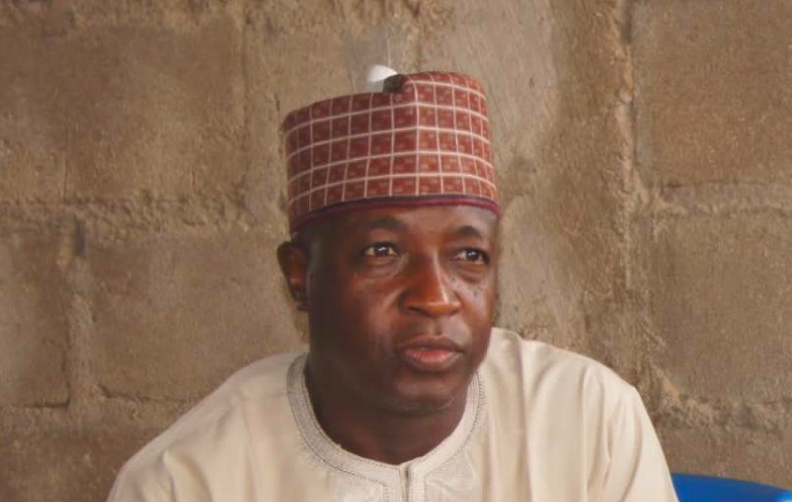
The World Council of Churches (WCC) is mourning the death of Ibraheem Garba, co-director of International Centre for Interfaith Peace and Harmony in Nigeria. He died in a car accident in Nigeria as he was travelling for work-related reasons between Kaduna and Abuja.

Click here to read more.

Photo: WCC

Categories
In The News

Those who already had COVID-19 also at risk of being reinfected by Omicron

Those who have had COVID-19 may be reinfected more easily with the new COVID-19 variant, Omicron, currently spreading across the world.

According to preliminary analysis by the National Institute for Communicable Diseases (NICD), scientists are noting a high rate of reinfections during the current resurgence compared to the previous waves.

“Now we’re seeing an increase for Omicron and that speaks to the fact that in our population with a high seroprevalence, where many people have had the previous infection. We believe that previous infection does not provide them protection from infection due to Omicron,” said Professor Anne von Gottberg.

Von Gottberg, who is a Clinical Microbiologist at the NICD’s Centre for Respiratory Diseases and Meningitis, was a panellist at a press conference on Omicron and the vaccine rollout in Africa.

Click here to read more.

Photo: Flickr / GCIS

Categories
In The News

Shocking 8,561 new Covid-19 cases reported

A ttotal of 51,977 Covid-19 tests were done in the last 24 hours, with 8,561 new cases, representing a positivity rate of 16.5%.

72% of these cases came from Gauteng.

South Africa reported 4 373 coronavirus cases yesterday, which means that the number of daily cases has increased by 96% in the past 24 hours.

The Omikron variant has already been reported in five provinces across the country.

Experts estimate that by the end of the week, South Africa will record more than 10,000 new cases a day, with President Cyril Ramaphosa possibly speaking to citizens on Sunday night.

AfriNuus reported on 14 September that Salim Abdool Karim, epidemiologist, predicts that the fourth wave could last from 2 December this year to 15 February 2022 (75 days).

Click here to read more.

Photo: NICD

Categories
Worldwide

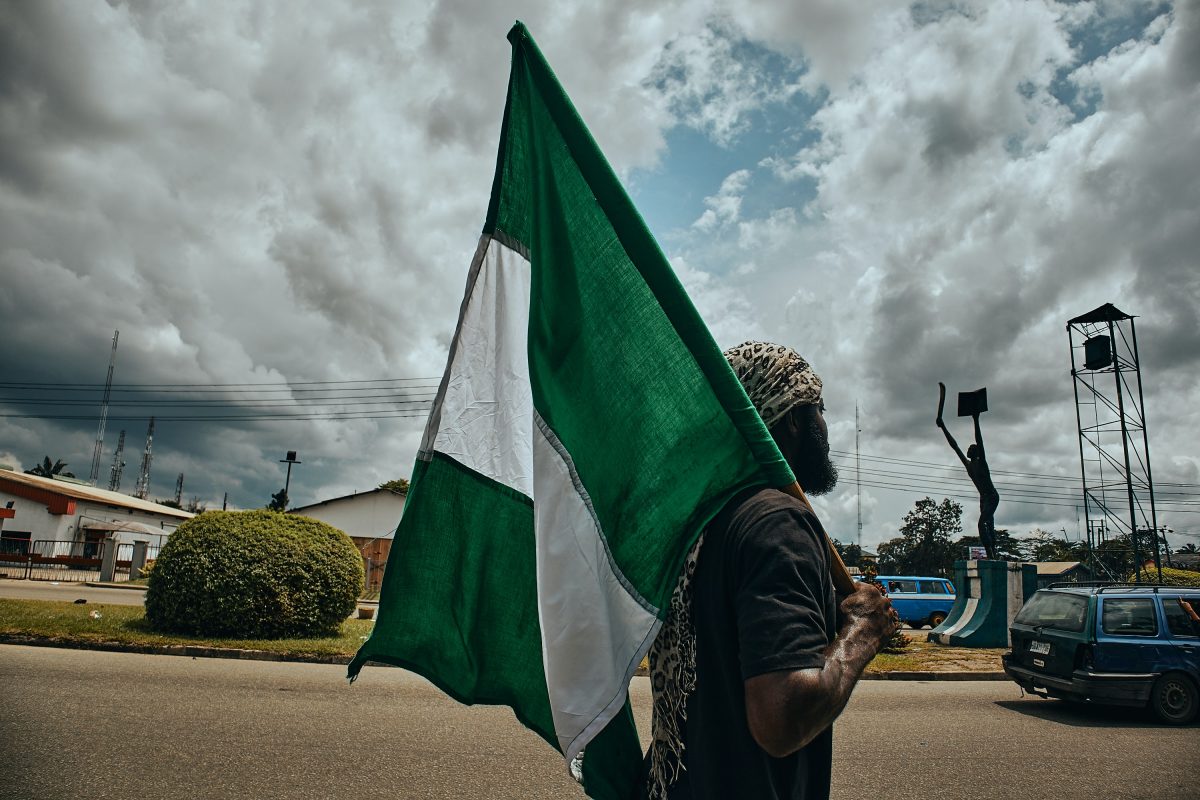
Nigeria an important market for SA, says President

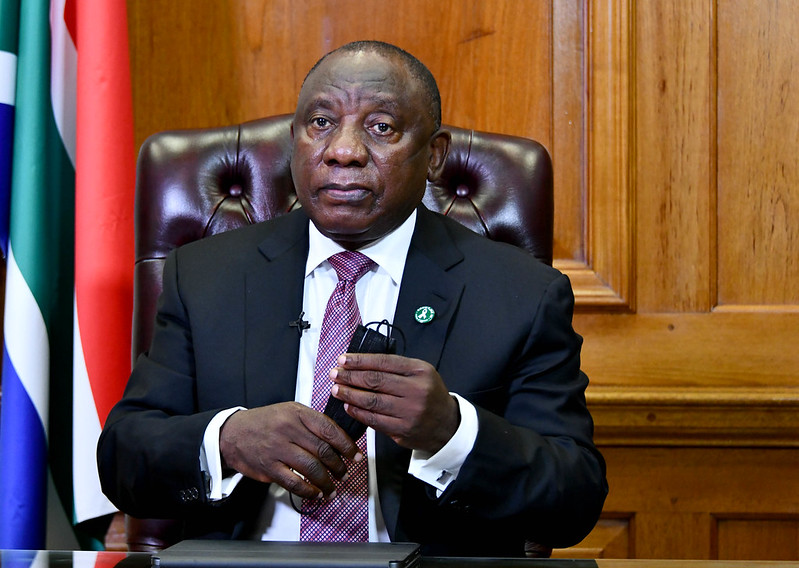
South Africa and Nigeria are determined to create a conducive environment for businesses to operate in both countries, says President Cyril Ramaphosa.

The President was speaking at a meet and greet session at the Hilton Hotel in Abuja where he met business leaders ahead of a Nigeria – South Africa Business Forum and his bilateral trade talks with Nigerian President Muhammadu Buhari on Wednesday.

Click here to read more.

Photo: Unsplash

Categories
Media Room

SACC STATEMENT ON WORLD AIDS DAY

Today, the South African Council of Churches (SACC) joins the rest of the world in observing World AIDS Day 2021, under the global theme: End inequalities. End AIDS.

We live in a region of the world that has always had a high infection rate of HIV, and to this day, the effects of HIV on our society cannot be ignored. The prevalence of HIV in our country has altered the fabric of our society. We have witnessed many tragedies attributable to HIV and AIDS, and while we have turned the corner in treatment accessibility and education, inequalities still exist that continue to sustain the kind of environment in which HIV can thrive. While access to treatment has been vastly improved, the stigma of HIV and AIDS remains, with many who still live in silence and a sense of shame.

Economic imbalances have a bearing on the rate of HIV infections, with multi-layered social challenges pointing to this, such as poverty lifestyles, the high rates of teenage pregnancy, the lack of quality education and high levels of unemployment. If we are to end inequalities and end AIDS, we need to start by addressing these imbalances.

Former Chief Justice Mogoeng Mogoeng is reported to have made the claim that through prayer he occasioned the miracle of healing for two people from the AIDS condition. This report may encourage many living with AIDS to abandon their daily treatment in the hope of a miracle from a pastor on offer. We deeply believe that there is power in prayer, and that through prayer, miracles can be manifested. Prayer comforts and engenders hope. Prayer also inspires scientific research for treatment. Today we have more user friendly ARVs, and as we pray, tomorrow we may have an HIV vaccine.

It would, however, be misleading to prescribe prayer alone as a public health solution. Miracles when they happen, are a sign of God’s power, but are never a general solution to human health problems. Even Jesus did not heal all the lepers of his day in Judea and Samaria.

Major scientific advancements that have been made in HIV and AIDS research in South Africa, which stem from God-given skills and talents, and we, as the SACC, acknowledge and support the advancement of HIV and AIDS research and treatments. Let prayer augment the treatment regiment, and not replace it.

In conclusion, let us take a moment to remember those who have succumbed to AIDS. We honour the memory of their lives – choosing to remember how they lived, and not how or why they died; and we extend a prayer of comfort for their loved ones, who remain in grief over their loss.

May their souls rest in eternal peace.

Photo: Unsplash

Categories
In The News

Department readjusts petrol price

The Department of Mineral Resources and Energy (DMRE) has announced the readjustment of the price of both 93 and 95 ULP and LRP grades.

“The DMRE regrets to announce that the adjustment of the petrol price announced on Monday, 29 November was erroneous,” said the department on Wednesday.

On Monday, the department announced that the price of petrol (both 93 and 95) will go up by 81c per litre taking the price to R20.35 a litre in Gauteng as of Wednesday.

On Wednesday, the department announced that the price of petrol has risen by 75 cents a litre instead. This means that a litre of 95 ULP in Gauteng, which currently costs to R20.35 will now cost R20.29.

Click here to read more.

Photo: Unsplash

Categories
In The News

73% of new daily Covid-19 infections detected in Gauteng

South Africa recorded 4 373 new COVID-19 cases on Tuesday, of which 3 143 were reported in Gauteng alone.

According to the National Institute for Communicable Diseases (NICD), this means there is now a total number of 2 968 052 laboratory-confirmed cases.

Read more:

Photo: Unsplash

Categories
Inside Church

SACC stands in solidarity with SAHRC-hosted hearings in KZN

The South African Council of Churches (SACC) represented by General Secretary, Bishop Malusi Mpumlwana, yesterday attended the hearings in KwaZulu Natal (KZN) hosted by the South African Human Rights Commission (SAHRC) in reviewing the incidents of civil unrest in KwaZulu-Natal (KZN) and Gauteng earlier this year.  

Bishop Malusi’s attendance was a demonstration of solidarity with the SAHRC in working to uncover the full impact of the unrest, on all the affected.  The SACC in August expressed the hope that these hearings would leave no stone unturned in identifying the motivating lint that set fire to the ready context of poverty and want, and which resulted in millions of rands lost and businesses destroyed, with the loss of human life having been the ultimate price paid. The hearings are scheduled to allow for testimony from academics, journalists and the president of the South African shack dwellers’ movement, also known as Abahlali baseMjondolo. Today the National Commissioner of Police, General Sithole, was continuing with his testimony.

“Our presence here today is to support the work that began earlier this year”, said Bishop Mpumlwana. Together, the SACC through its Local Ecumenical Action Networks (LEANs), its provincial chapter – the KwaZulu-Natal Christian Council (KZNCC), and the active interfaith collaboration of the Hindu priests, the religious community has played its own role in active ministry on the ground in Phoenix. “We have worked with community leaders and law enforcement to bring healing and peace to the area.  We have met with the bereaved families, and heard of their pain, and met with business owners who have lost their livelihoods.  These hearings today serve to demonstrate that the countless injustices have not fallen on deaf ears, and this process seeks to acknowledge the pain, and make recommendations of how to  remedy the situation, to allow us move past this point in our nation’s history,” said Bishop Mpumlwana.

The SACC will continue in its support of the SAHRC hearings.

Photo: Kerkbode