Categories
Inside Church

WCC Inter-Orthodox Pre-Assembly: “the call for unity, reconciliation, justice, and peace remains our mission today”

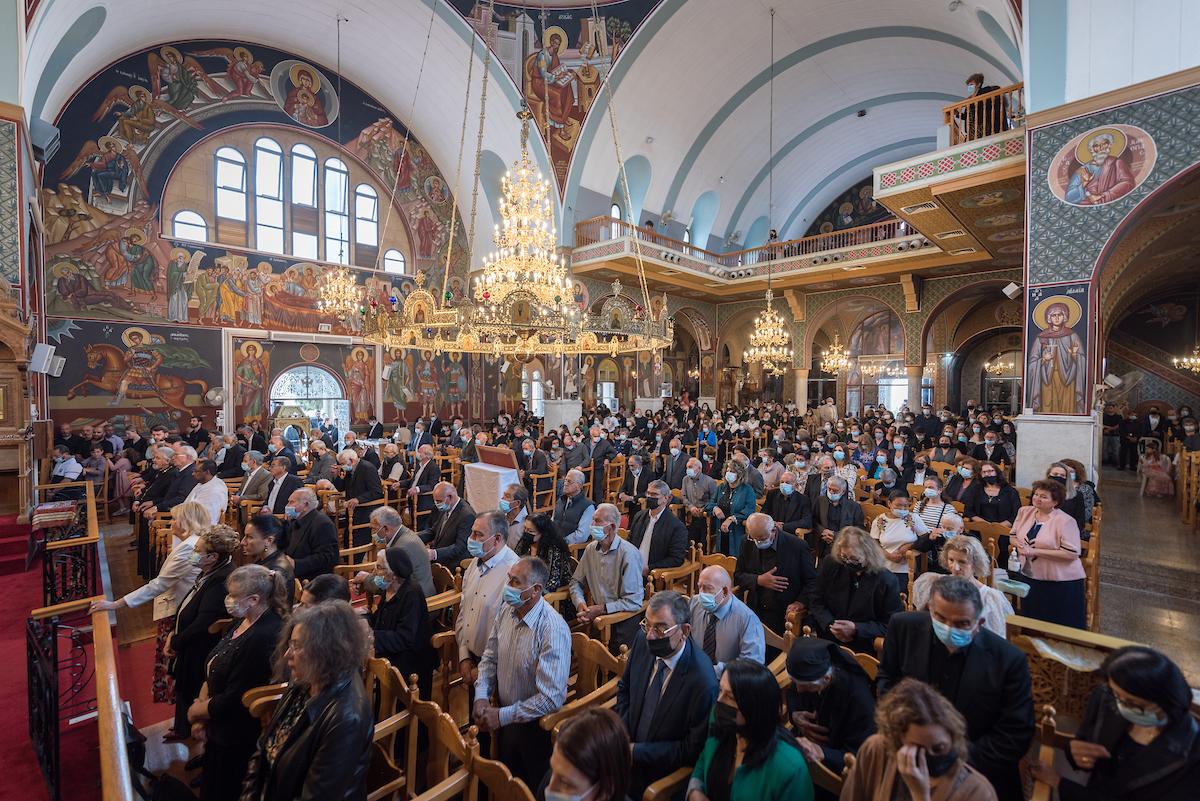
An Inter-Orthodox Pre-Assembly held last week affirmed “the utmost importance of love” and a “call for unity, reconciliation, justice, and peace,” according to a communique jointly released from the 50 participants, which included delegates from 20 Eastern and Oriental Orthodox churches.

Click here to read more.

Photo: WCC

Categories
In The News

SA braces for full week of power cuts

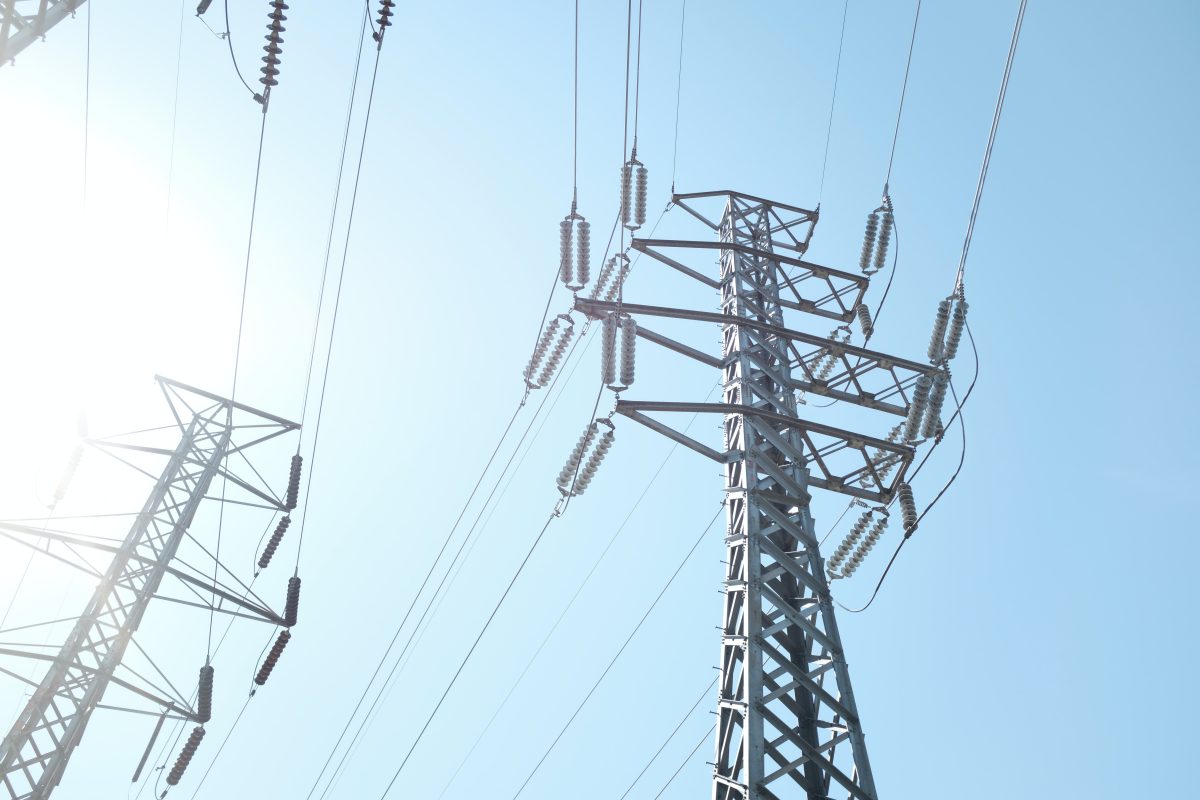
Eskom Chief Operating Officer, Jan Oberholzer, says Eskom may be forced to increase load shedding from Stage 3 load shedding to Stage 4 if the power utility fails to gather enough generation capacity to feed national peak demand.

According to Oberholzer, Eskom suffered at least eight major breakdowns at its power stations – exacerbating strain on the already fragile and constrained power system.

Click here to read more.

Photo: Unsplash

Categories
Gospel Music

Condolences for legendary gospel artist, Dr Deborah Fraser

The Department of Sport, Arts and Culture has extended sincere condolences to the family friends, colleagues and fans of legendary gospel artist, Dr Deborah Fraser.

Fraser passed away on Sunday due to an illness.

She was a renowned gospel artist who began her illustrious career in 1985 as a back-up vocalist for local and international artists such as Hugh Masekela, Jonas Gwangwa, Lucky Dube and Brenda Fassie, to name a few.

Click here to read more.

Photo: Twitter

Categories
Inside Church

New and old epidemics in focus at WCC gathering in Nairobi

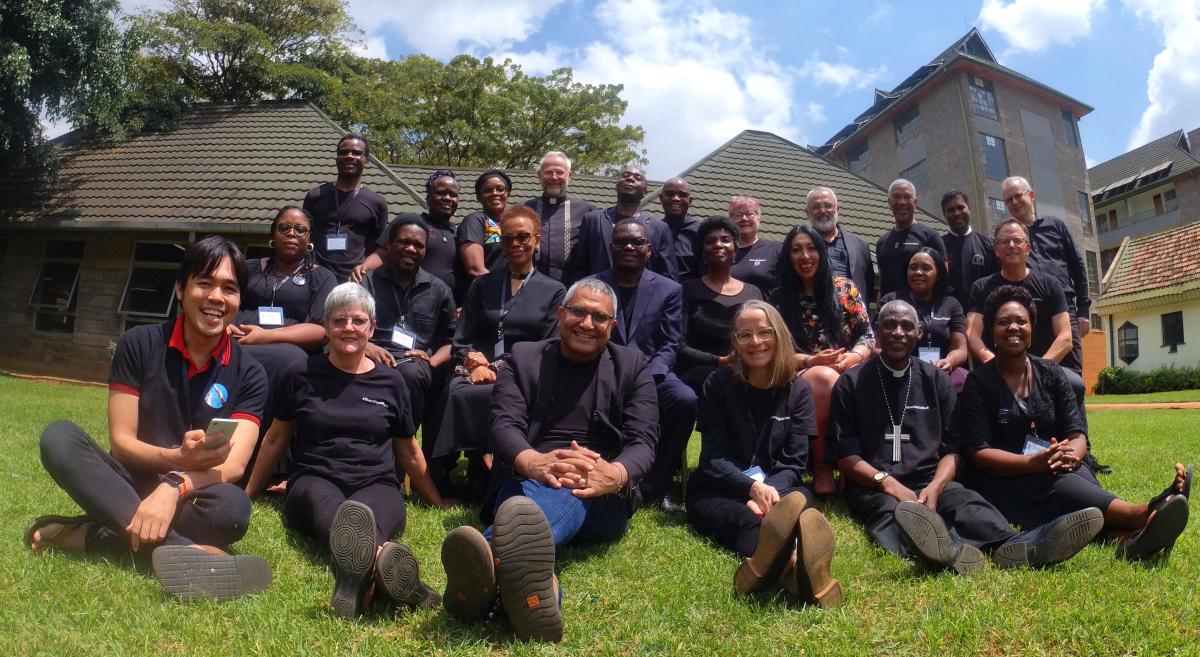
The WCC Ecumenical HIV and AIDS Initiatives and Advocacy International Reference Group and the WCC Ecumenical Advocacy Alliance HIV and AIDS Strategy Group and Health and Healing met in Nairobi from 10-12 May. 

The first meeting after the beginning of the COVID-19 was a time of renewed fellowship and collaboration. The meeting particularly celebrated the inclusion of a skilled person living with HIV, Gracia Violeta Ross Quiroga in the staff of the WCC, bringing the lived reality of people with HIV to this work. 

Click here to read more.

Photo: Unsplash

Categories
Inside Church

Pope: ‘May the new Saints inspire solutions for peace’

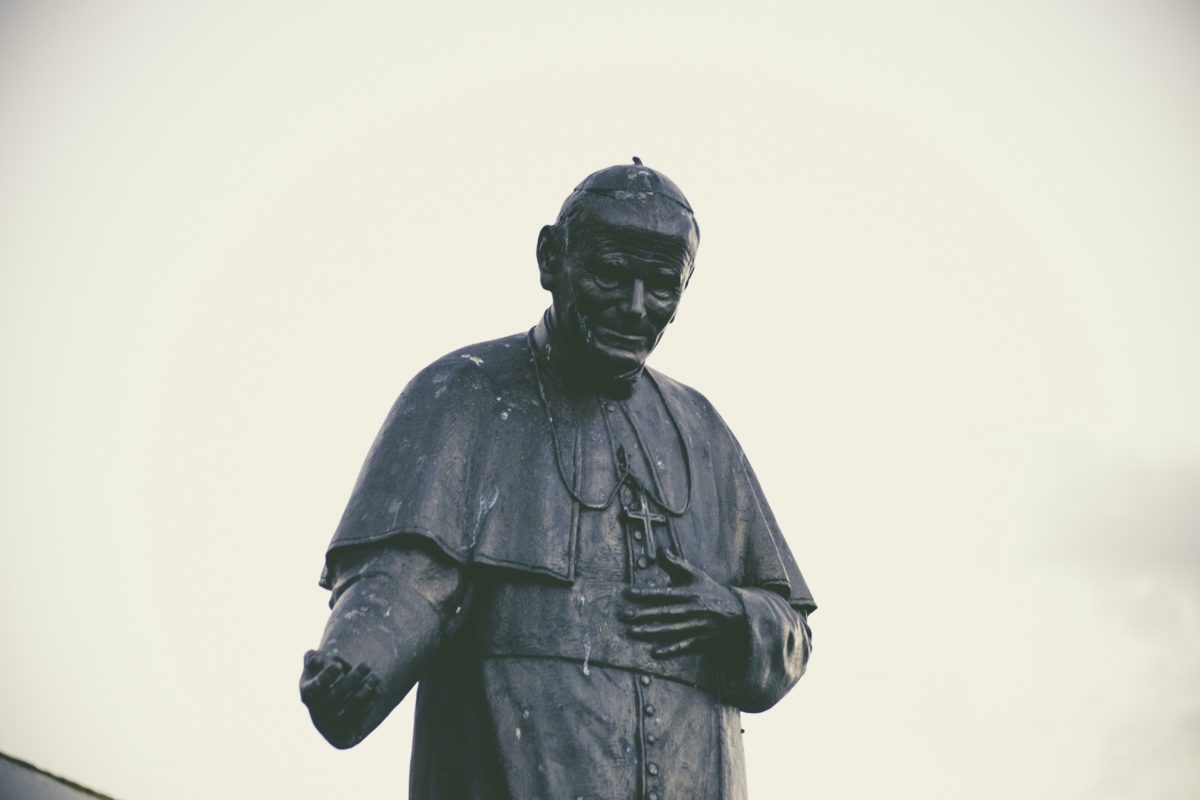
Pope Francis has again called for efforts on behalf of world leaders to embrace a culture of dialogue and become protagonists of peace and not of war.

Click here to read more.

Photo: Unsplash

Categories
Inside Church

African Faith Leader Urges Global Covid-19 Summit to ‘Make Bold Commitments’

 An African religious leader has urged a global coronavirus summit to give low- and middle-income countries more control over the supply of Covid-19 vaccines, tests and treatments.

The Anglican archbishop of Southern Africa, Thabo Makgoba, made the call at a meeting of faith leaders alongside the main summit, co-hosted by the United States, Senegal, Belize, Germany and Indonesia.

The White House summit was addressed on Thursday by leaders including President Joe Biden of the United States, Senegal’s President Macky Sall and South Africa’s Cyril Ramaphosa. The side event was arranged by Faiths4Vaccines, a multifaith coalition of U.S. religious leaders, and the U.S. government aid agency, USAID. It featured representatives of faiths throughout the world.

Archbishop Makgoba highlighted the control over Covid-19 supplies exercised by wealthy nations, and urged them “to build on the common good that we’ve created over years within the global community”.

Click here to read more.

Photo: Unsplash

Categories
Inside Church

Pope’s Migrants Day message: ‘Better future must be built with foreigners’

“Building the future with migrants and refugees means recognizing and valuing how much each of them can contribute to the process of construction.”

Pope Francis offered that encouragement on Thursday in his Message for the 108th World Day of Migrants and Refugees, which the Church celebrates on 25 September this year.

Click here to read more.

Photo: Unsplash

Categories
In The News

DIRCO continues to consolidate foreign policy for “a better Africa and better world”

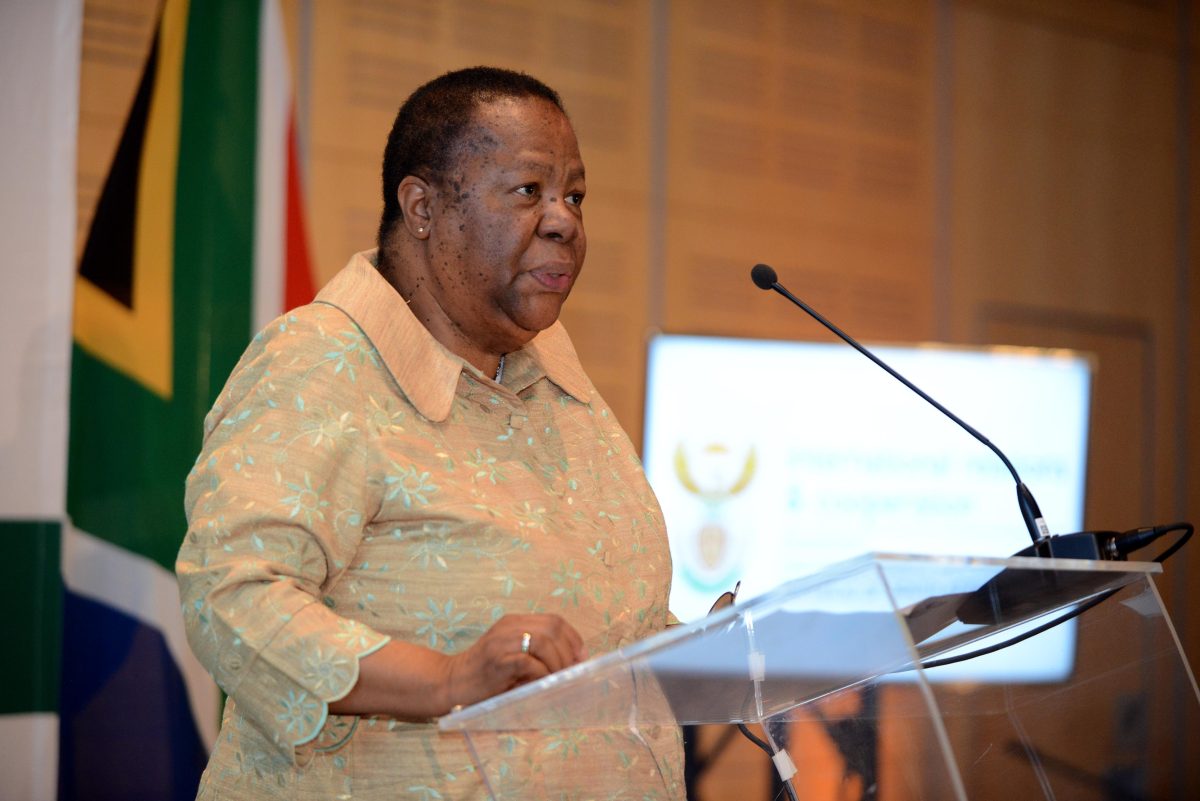
International Relations and Cooperation (DIRCO) Minister, Dr Naledi Pandor, has reiterated South Africa’s position that the Russia and Ukraine conflict can only be ended through negotiations.

Pandor was speaking during a presentation of her department’s Budget Vote to the Portfolio Committee on International Relations and Cooperation in the National Assembly on Thursday afternoon. The budget has increased by at least 1.3% from the 2021/21 financial year to about R6.6 billion in this financial year.

Click here to read more.

Photo: GCIS

Categories
In The News

The war in Ukraine: Africa risks paying a heavy price for neutrality

Far from being swift, Russia’s invasion of Ukraine now looks likely to become a long-running war of attrition. It will therefore have an accumulating, and increasingly drastic, impact on Africa unless it can be brought to swift end.

But can African countries influence that? And do they want to?

This article argues that both African and western countries need to change their approach if Africa is to suffer less damage from the crisis. If it continues to sit on the fence, it risks exacerbating conflict in Africa itself.

The Ukraine war has compounded the economic problems caused by the pandemic. Both the International Monetary Fund and UNECA have emphasised the economic damage being done to African countries. On top of food price inflation and Africa’s dependence on food supplies from both Ukraine and Russia, the World Food Programme has highlighted the shortage of emergency supplies to feed the starving in drought-struck eastern Africa.

Get news that’s free, independent and based on evidence.

Get newsletter

The 20%-40% increase in oil and gas prices has hit consumers and manufacturers as well as farmers through the price of fertiliser. And as revenue falls and demand for government spending rises, there is a growing risk of debt distress. This is true even of hitherto stable countries like Ghana.

This economic pressure, and particularly rising food prices, may not only provoke protest but precipitate political instability and conflict across the continent. It was, after all, food price rises that stimulated the Arab Spring in 2011. Sri Lanka’s current foreign exchange crisis shows how politically dangerous it can be.

The war in Ukraine has also diverted global political attention from Africa’s problems, and made it harder for the UN to lead international peace-making efforts. From Putin’s point of view, the more chaos in the world the better to divert his enemies. But, unless the African Union is willing and able to step in, the lack of global attention risks more African conflicts getting out of hand.

The Ukraine crisis, therefore, significantly increases political stress and potential conflict throughout Africa. Economic, political and social stress levels are already high due to climate change and demographic growth. Countries like Nigeria and Mozambique as well as those in the Horn of Africa and Sahel have latent or actual conflicts that will be exacerbated.

African governments are already appealing for more economic support to mitigate these stresses. But many donor countries are now diverting more money to defence, and it would be quicker and more effective to tackle the root of the problem: Russia’s invasion of Ukraine.

Yet African governments seem increasingly reluctant to put pressure on Russia.

The neutrality question

The shocking breach of national sovereignty and territorial integrity initially led many to support the Kenyan arguments at the UN Security Council against the invasion, and on 2 March 28 voted for the UN resolution condemning the invasion and only one, Eritrea, against. Even so, 17 abstained and 8 absented themselves.

A month later, however, in the vote to remove Russia from the UN Human Rights Council on 7 April, only 10 voted for, 9 against and the remaining 34 sat on the fence.

A few authoritarians, like President Isaias Afwerki in Eritrea, and a number of states that depend on Russia for security, like Mali and the Central African Republic, were always likely to support it. But other countries with sound democratic credentials, like Senegal, Ghana and Botswana, have also avoided picking sides.

Many Africans firmly believe they should remain neutral. They argue that this is not Africa’s quarrel and that western countries are hypocritical, defending their own invasions, like Iraq, while opposing Russia’s in Ukraine. They also wonder why the suffering of Ukrainians should be more important than the suffering of Ethiopians, to which the west has paid so little attention.

Not all agree.

South Africa has been accused of prioritising its political ties to Russia over its principles of sovereignty and self-determination: Ramaphosa urged a peaceful solution, but criticised NATO for its expansion rather than Russia for its invasion.

Click here to read more.

Photo: GCIS

Categories
In The News

Cabinet reiterates call for vaccination

Cabinet has called on unvaccinated people to do so to protect themselves and their loved ones.

Minister in the Presidency, Mondli Gungubele, said Cabinet made the call during this week’s meeting.

“Government is pleased that more people will continue to choose vaccination as their first line of defense against COVID-19. Recent statistics show that we have reached a milestone of over 50% of adult vaccination in five provinces.

“We should also continue to adhere to all COVID-19 prevention protocols, including the wearing of a mask that covers both the nose and mouth, washing hands with water and soap, or using a 70% alcohol based hand sanitizer, and keeping a safe social distance of at least one metre,” the Minister said on Thursday.

On the R350 society relief of distress (SRD) grant, Gungubele said Cabinet is encouraging qualifying citizens to reapply following the introduction of the new COVID-19 regulations.

“Applications can be lodged on the South African Social Security Agency (SASSA) website. The application system opened on 23 April 2022 and a is fully digital process to enable quick turnaround times,” he said.

The Minister said the grant is an important safety net for needy families, who would otherwise be devastated by the cause of poverty and unemployment.

Government, he said, is committed to provide social assistance to the most vulnerable so that they can meet their basic needs.

Photo: GCIS