Categories
In The News

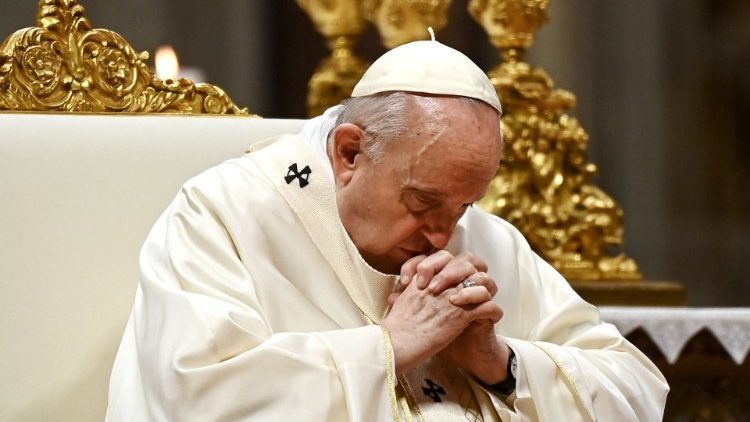
Pope Francis: Vocation ‘is about making God’s dream come true’

Pope Francis says that when we speak about vocations, we are speaking about making God’s dream come true.

The Holy Father made the observation in a Message released Thursday for the 59th World Day of Prayer for Vocations, which falls this year on 8 May, and has as its theme “Called to Build the Human Family.”

Click here to read more.

Photo: Unsplash

Categories
Worldwide

WCC joins online event to share initiatives protecting children from the climate crisis

“In 2015, we started working in partnership with UNICEF to support churches’ efforts for children and young people. It was the children themselves who urged us in 2016 to include climate justice as one of the three pillars of the Churches’ Commitments to Children, a programme launched as a result of consultations with 245 experts from churches, children themselves and child rights organisations,” said Seidel to the participants of the online conference.

Seidel presented several resources developed by WCC with churches and partners sharing climate justice initiatives undertaken by children. “For example, the toolkit ‘Climate Justice with and for Children and Youth in Churches: Get informed, Get Inspired, Take Action’ features several examples and tools from children worldwide who mobilised their communities and leaders around climate solutions,” explained. 

Click here to read more.

Photo: Unsplash

Categories
Inside Church

World Relief: When Faith Leaders Join the Fight

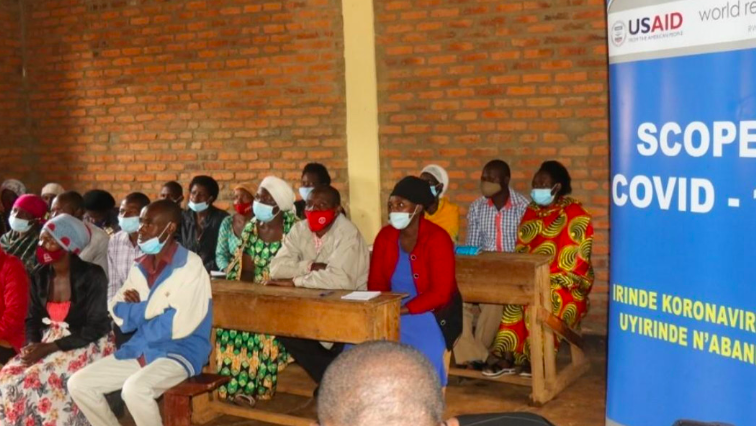
Around the world, faith leaders are often trusted, respected and influential members of society. For decades, World Relief has seen the impact that working alongside faith leaders and communities can have in the face of natural and man-made disasters. 

From the earliest days of the COVID-19 pandemic, we knew that the local church was uniquely positioned to support communities through this global disaster. However, it cannot be denied how challenging the pandemic has been for faith communities. 

In Rwanda, frequent and serious lockdowns in the first year and a half of the pandemic prevented social and faith gatherings. Faith institutions were closed for months on end, rendering many faith leaders’ ministries and livelihoods a minefield to navigate. 

At the same time, faith communities in many countries were largely left out of initial nation-wide responses to COVID-19, including vaccination rollouts. And yet, research has shown that religious factors are the third most frequently cited reason for vaccine hesitancy globally, making involvement of faith actors in COVID-19 vaccination efforts imperative.

Building on our existing work of empowering local churches to serve the most vulnerable, World Relief stepped in to fill these gaps. 

Click here to read more.

Photo: Unsplash

Categories
In The News

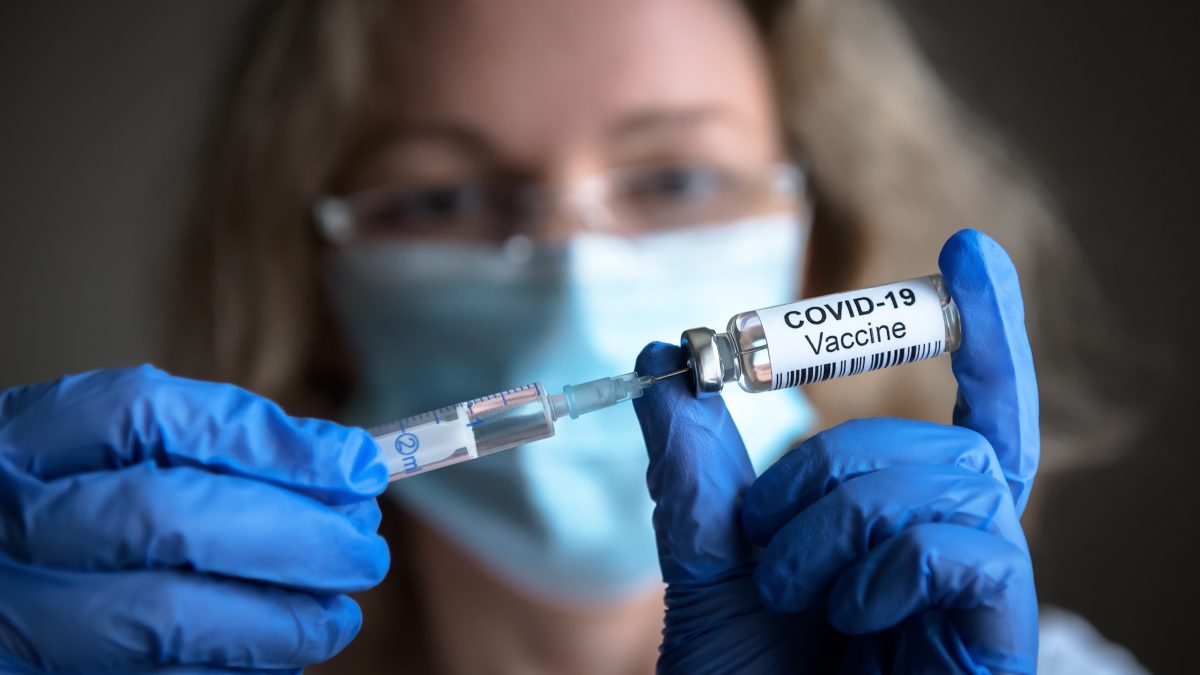
The new Covid rules and restrictions for South Africa – including mask mandates

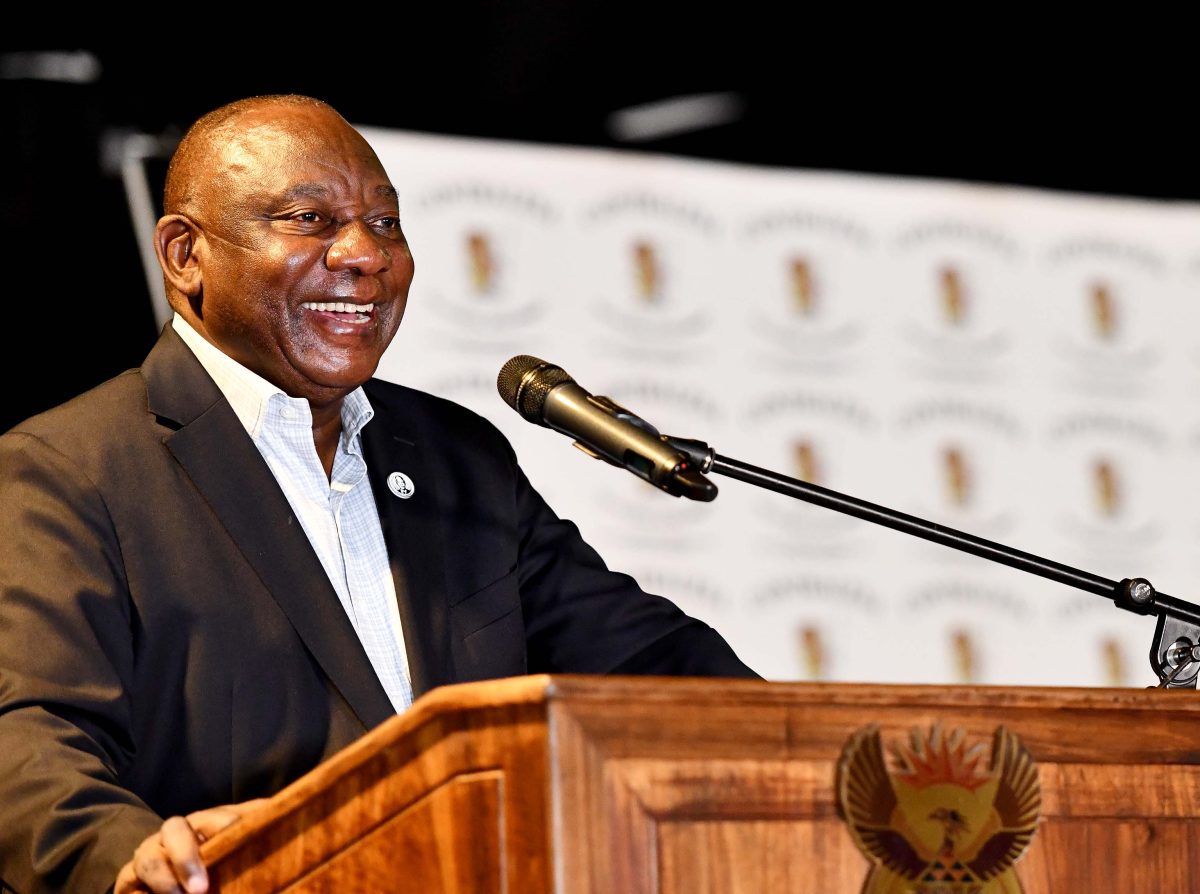
Health Minister, Dr Joe Phaahla, has announced a two-month extension for public comments on health regulations relating to the management of COVID-19.

The comments relate to the Surveillance and Control of Notifiable Medical Conditions; Public Measures in Points of Entry; Management of Human Remains and Environmental Health by three months.

The extension was with effect from 5 May 2022. The new closing date for submission of comments is 5 July 2022.

In a statement, the department said the extension was in line with statutory requirements and would afford the department sufficient time to go through and consider all comments and representations on the regulations.

“All members of the public who submitted comments in the initial public consultation process do not need to resubmit these comments as all comments already submitted will be considered as part of this process.

“In order to ensure that there is no gap in terms of legal instruments to contain the spread of COVID-19 and future notifiable medical conditions, the department has gazetted the limited regulations for implementation with effect from Thursday, 05 May 2022,” reads the statement.

These regulations mainly focus on wearing of face masks, gatherings and persons entering the country.

With regards to the wearing of face masks, the department said a person must, when entering and being inside an indoor public place, wear a face mask.

“This does not apply to children at school. Again, under these limited regulations, no person may use any form of public transport unless wearing a face mask.
 
“Gatherings are more clearly defined as planned assembly or meeting at a particular venue involving more than one hundred persons. 

“For any indoor and outdoor gatherings, a maximum of 50% of the venue capacity may be occupied provided that every attendee must be vaccinated against COVID-19 and produce a valid vaccination certificate. Alternatively, attendees must produce a valid negative COVID-19 test result not older than 72 hours prior to the date of the gathering,” said the department.

If complying with this indoor gathering requirement is not possible, then attendance shall be limited to 1000 people or 50% of the capacity, whichever is smaller, while the attendance at an outdoor gathering shall be limited to 2000 people or 50% of the capacity, whichever is smaller.

All international travellers arriving at South African Ports of Entry must be vaccinated against COVID-19 and produce a valid vaccination certificate; or produce a valid negative PCR COVID-19 test result not older than 72 hours before the date of departure.

Alternatively, said the department, “travellers have another option of producing a valid negative antigen COVID-19 test result performed by a medical practitioner, registered public health authority or accredited/approved laboratory obtained not older than 48 hours before the date of departure”.

“In a case where an international traveller is unable to produce a vaccination certificate or a negative PCR test result older than 72 hours or a negative antigen test result obtained at least 48 hours prior departure, then he/she must undergo antigen testing at the Port of Entry.
 
“If the person tests positive for COVID-19 in the antigen test, the traveller will still be admitted into the country but, if the traveller is experiencing symptoms of COVID­19, they must self-isolate for a period of ten days after admission into South Africa.”

However, reads the statement, the vaccination or testing requirement was not applicable to travellers who are under the age of 12 years and daily commuters from neighbouring countries.

It is important to emphasise that the proposed amendments to the health regulations do not amend the National Health Act, 2003, but rather augment certain existing regulations.

The department would like to remind people that, despite the current process to source public comments on the health regulations, there is still an imperative to provide options to manage the COVID-19 pandemic and other notifiable medical conditions without invoking the state of national disaster.

Therefore, members of the public are reminded that COVID-19 remains a life-threatening disease, and the country is not yet out of the woods. 

“The only way we can protect ourselves and our loved ones against this pandemic and the current rising number of positive cases, is through vaccination and adhering to preventative measures at all times,” the department said.

Fully vaccinated people are urged to consider booster shots to increase their immunity. – SAnews.gov.za

Photo: Unsplash

Categories
In The News

SACLI condemns the violence against women

SACLI, the South African Christian Leadership Initiative condemns the violence against women.

Photo: Unsplash

Categories
Inside Church

Pope Francis: ‘Use and possession of nuclear weapons inconceivable’

In a meeting with the Japanese Prime Minister on Wednesday morning before the General Audience, Pope Francis reiterated his position of total opposition to the use and possession of nuclear armaments.

According to Holy See Press Office Director, Matteo Bruni, during their conversation that lasted about 25 minutes, Prime Minister Fumio Kishida and the Pope talked about nuclear weapons and about how their use and possession is inconceivable.

Click here to read more.

Photo: Shutterstock

Categories
In The News

Multiple factors contribute to load shedding – Eskom

Eskom says stage two load shedding was implemented due to depleted capacity caused by generator breakdowns, power station trips, the slow return to service of units, as well as higher demand for electricity as the colder weather starts to settle in.

As a result of these factors, the power utility was unable to feed the entire demand for electricity on Tuesday.

Click here to read more.

Photo: Shutterstock

Categories
In The News

South Africa is proposing plans to manage diseases like COVID-19

At the onset of the COVID-19 pandemic the South African government published “special regulations” to contain the spread of the disease. These actions were taken under special powers granted by the Disaster Management Act.

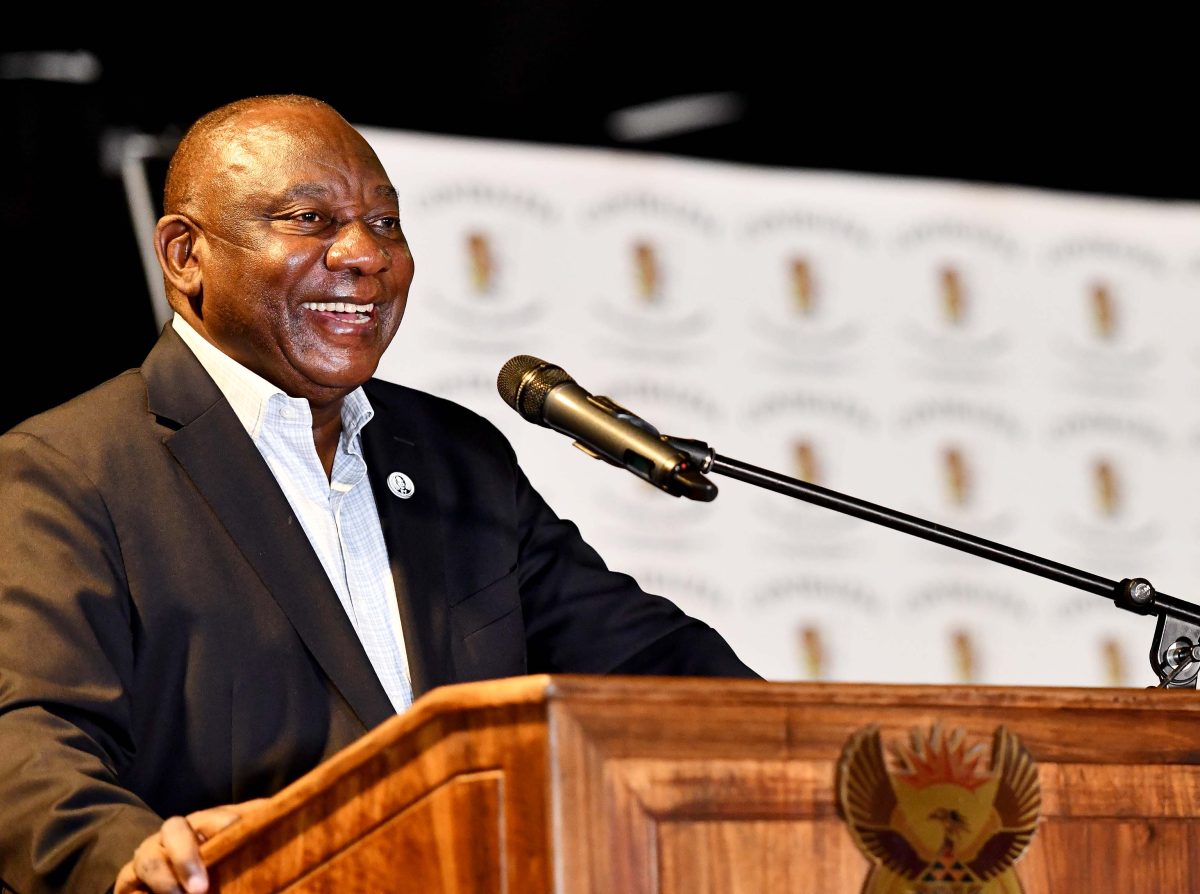
In April 2022, South Africa’s President Cyril Ramaphosa announced an end to the crisis management mode the country had been in for two years. Now processes are underway to embed some of the special regulations into the country’s general health regulations related to notifiable medical conditions.

Notifiable medical conditions are conditions, diseases or infections that pose an immediate and significant risk to public health. The diseases are categorised based on the severity of the threat they pose. Each disease is designated a reporting time and a set of conditions aimed at controlling its spread. Novel influenza viruses such as SARS-CoV-2, and diseases such as viral haemorrhagic fevers, including Ebola and malaria, are already on the list.

Click here to read more.

Photo: GCIS

Categories
In The News

Government continues support for African languages

Government continues to fund students wishing to further their studies using African languages, says Sport, Arts and Culture Minister Nathi Mthethwa.

The Minister said this while participating in a debate on Freedom Day during a plenary of the National Assembly on Tuesday.

“Every year, we fund and support financially, students for African languages, anything between 120 to 400 per annum in all universities which we have in our country,” said the Minister.

Click here to read more.

Photo: GCIS

Categories
Inside Church

The Pope’s questions about peace

“I wonder… if peace is truly being sought…” Pope Francis chose to present in the form of questions the doubts that grip many and which are growing as the military escalation in the war in Ukraine increases.

There is a troubling military escalation in an increasingly devastating conflict that is taking its toll on the defenceless civilian population, and that goes hand in hand with an increase in verbal threats, total demonization of the adversary, and speculations about possible nuclear attacks.

Click here to read more.

Photo: Unsplash