Categories
In The News

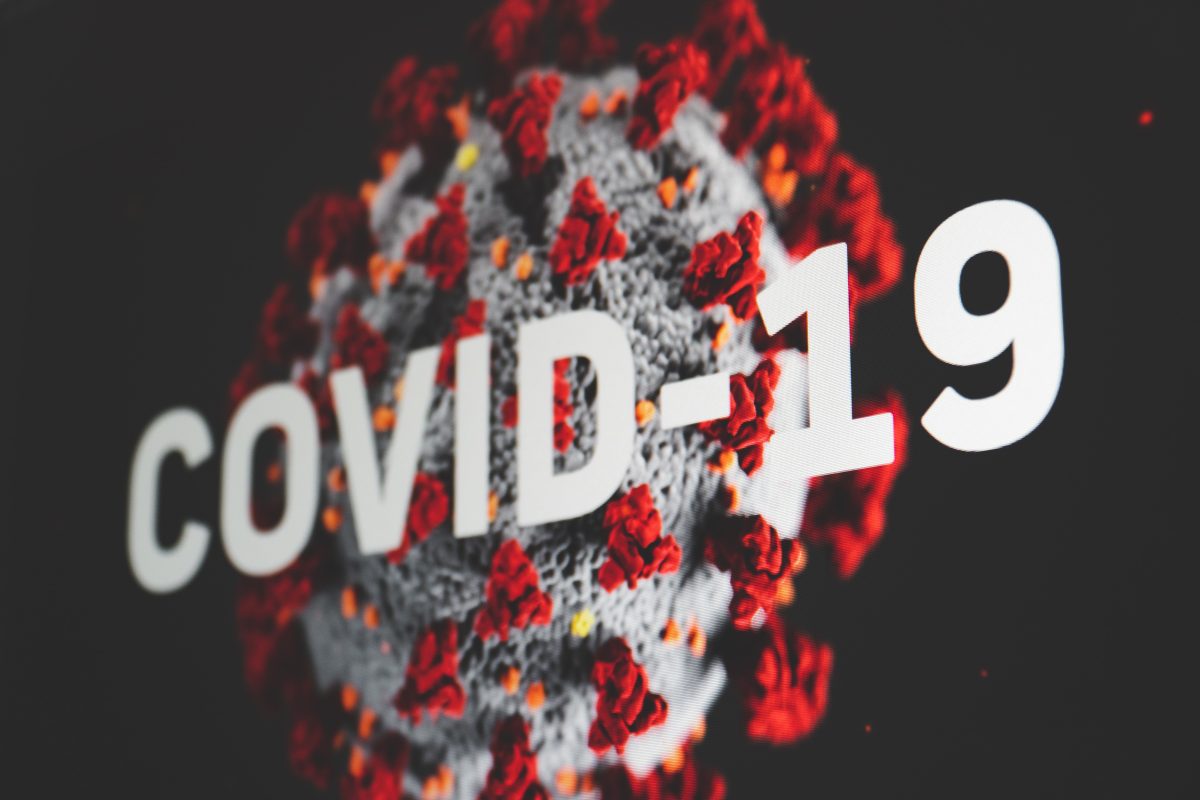
SA records over 1 900 new COVID-19 cases

South Africa conducted 22 567 new COVID-19 tests in the past 24 hours, of which 1 931 were positive, the National Institute for Communicable Diseases (NICD) said on Sunday.

The majority of new cases were recorded in Gauteng after 494 people were confirmed to have contracted the virus, followed by 386 in the Western Cape and 371 in KwaZulu-Natal, pushing the positivity rate to 8.6%.

This means the country now has 3 581 359 confirmed cases since the start of the pandemic, while the death toll stands at 94 177 after 114 more people lost their lives.

However, according to the Department of Health, of the latest fatalities, only 17 occurred in the past 24 to 48 hours.

Read more:

Photo: NICD

Categories
Inside Church Worldwide

WCC condemns violence, expresses solidarity with Rabbis for Human Rights

The attack took place near Burin village, east of Nablus in the West Bank. Eight persons from Rabbis for Human Rights, who were engaged in planting olive trees, were injured in the incident. Reports in Israeli media indicate that the assailants used clubs, stones, and gas against the victims, as well as setting one car on fire and destroying another one.

In a video distributed by Rabbis for Human Rights, one of the victims can be heard saying: “They can kill us!” The Rabbis for Human Rights team was taken from the scene by Palestinian ambulance, and eventually transferred to Beilinson Hospital near Tel Aviv where they were treated for injuries.

Click here to read more.

Photo: Rabbis for Human Rights.

Categories
Inside Church Worldwide

Bossey students embark on study visit to Rome

The study visit opened on 20 January with students attending the release of “Ecumenism in a Time of Pandemic: From Crisis to Opportunity,” a working paper of the Pontifical Council for Promoting Christian Unity.

WCC acting general secretary Rev. Prof. Dr Ioan Sauca, in his remarks on 20 January, shared with students that the heart of the WCC fellowship remains ecumenical spirituality, as the pandemic has revealed or reinforced our shared vulnerability. “The learning from this pandemic has been of our shared vulnerability—and shared fate—as one humanity,” he said.

Click here to read more.

Chapel of the Ecumenical Institute, Bossey.Photo: Ivars Kupcis/WCC

Categories
Inside Church Worldwide

Webinar will highlight experts’ reflections on “Food from Oceans, Rivers and Lakes”

Speakers will offer insights on how communities of faith must be at the forefront if we are to see a sustainable future. They will discuss decisive steps in restoring and protecting marine and freshwater ecosystems, and reducing pollution that contaminates those systems. The participant will hear and contribute about innovative approaches and ways to adapt food preferences and lifestyles to uphold creation as a gift.

The year 2022 has been declared by the UN as the International Year of Artisanal Fisheries and Aquaculture.

Click here to read more.

Photo: Marion Unger/WCC

Categories
In The News

Class of 2021: SA’s top achievers

While COVID-19 may have impacted the academic programme, the top achievers kept their heads up and fought through the roughest of circumstances to be the best of the best in the country.

Most of these Top Achievers agreed that it takes dedication, hard work and commitment to excel and be at the top.

The top learners were honoured and awarded by the Minister of Basic Education, Angie Motshekga, at an event held at the SABC in Auckland Park, on Thursday.

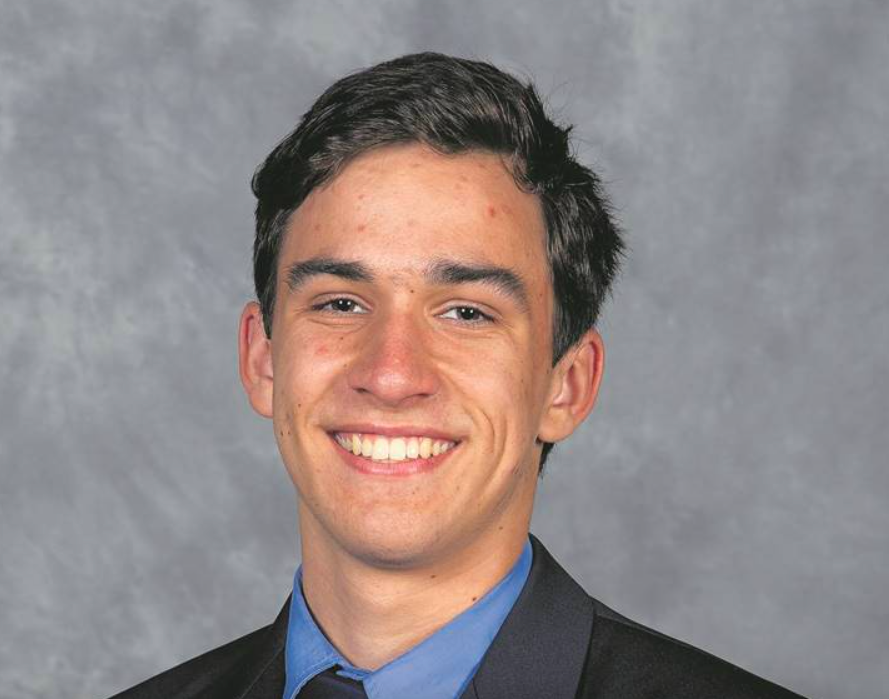
Speaking to SAnews, the 2021 overall NSC top learner, Ulrich le Roux from Paarl Boys’ High in the Western Cape, said being a number one top learner in the whole country was unexpected but it feels really good.

“It feels really good. I must say this was unexpected. I never considered that I would be the one top learner in the country, but as you can imagine I am very happy and looking forward to all the challenges of this year and will continue with my studies,” Ulrich said.

Speaking on the challenges brought upon by the pandemic, the top student said it took a lot of adaptation to get used to the changes in terms of learning and teaching.

He said that with most things being done online, with remote learning on google classroom and all other online resources, it was quite difficult to adjust to everything in the beginning.

“But after a couple of weeks, I got into the rhythm with a good schedule, doing all the work every day. I think the hard work I put in at the start of the lockdown really allowed me to go to the next level and achieve what I have achieved in Matric.

“I didn’t have a specific aim like being number 1, but my goal was to work hard enough this year so that at the end of the year no matter what my results were, I could still look back and have no regrets because I did put in all the work,” he said.

The top student said his plans for this year is to study Actuarial Science at Stellenbosch University.

He advised the Class of 2021 to enjoy all the last moments with their friends and family before they go to university or get a job but at the same time they must still be responsible and work hard enough to achieve the results they will be happy with.

SAnews also spoke to another top achiever in Technical Sciences, Innocent Mathonsi, who was also placed third in the category of Technical Mathematics.

Innocent from the DD Mabuza Comprehensive School in Mpumalanga said he was nervous at first when he heard about what he had achieved but he is now very happy because a lot of people wish to be where he is.

An emotional Innocent said that he could not believe that all the hard work he put in his studies is finally paying off.

He said that his success is owed to the previous top achievers from his school who played a huge role in motivating them while dealing with challenges brought on by the pandemic.

“They came to motivate us to work hard and I took their advice, stayed motivated and never looked back. The support I also got from home, having a computer and internet access also helped me to achieve good results,” he said.

Innocent advised the Class of 2022 to forget about the pandemic and start preparing for their examinations early.

“They must keep on looking for knowledge, because knowledge is power. When you know better, you do better,” he said.

Top achiever in Quintile 4 Schools, Iman Khan, said she was very happy to get first place as last year had been difficult to say the least.

Iman from Port Sheptone Secondary School in KwaZulu-Natal said the examinations posed their own set of challenges like every other challenge in life.

“However as a matriculant of 2021 with COVID-19 breathing fire down our backs and uncertainty paving our paths during the looting period, I can actually say we fought our metal and we fought in the roughest of circumstances. We made it and we are here and we can finally say we won the battle,” Iman said. – SAnews.gov.za

Photo: Facebook

Categories
In The News

SA records less than 4 000 new COVID-19 cases, with 139 deaths

South Africa recorded close to 4 000 new COVID-19 infections, the National Institute for Communicable Diseases (NICD) said on Thursday.

According to the NICD’s latest statistics, 3 962 more people tested positive for Coronavirus, pushing the tally to 3 572 860 since the first case was detected in South Africa.

The data shows that the increase represents a 10.6% positivity rate, with Gauteng accounting for 928 infections logged in the past 24 hours.

The province is followed by 813 cases in the Western Cape, 681 in KwaZulu-Natal and 412 in Limpopo.

Due to the ongoing audit exercise by the Department of Health, the country reported 139 deaths, of which 31 occurred in the past 24 to 48 hours. This brings the death toll to 93 846 to date.

Categories
Inside Church Worldwide

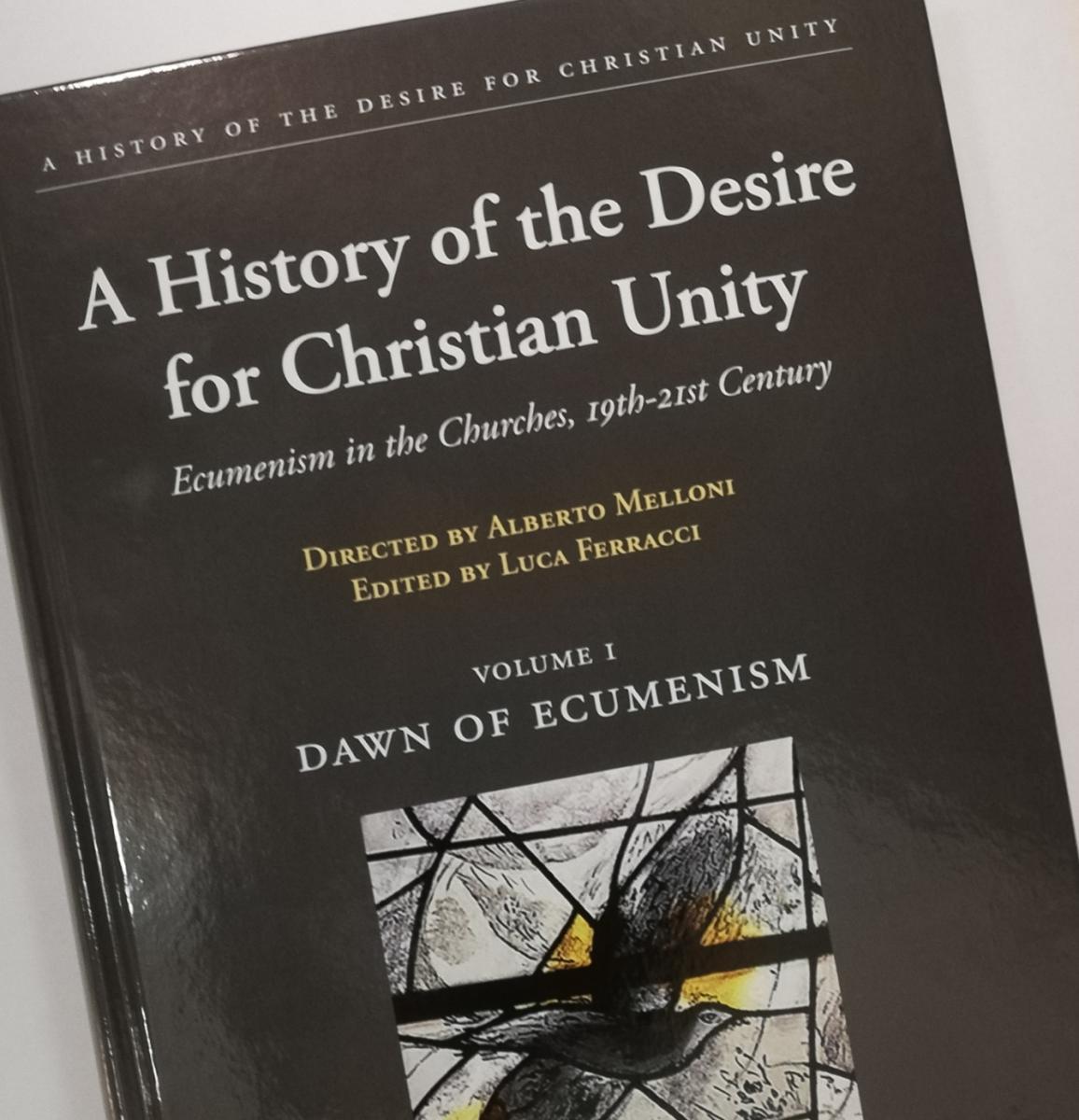
Newly published volume explores historic roots of desire for Christian unity

The volume was presented by Prof. Alberto Melloni, the director of the project, and Dr Luca Ferracci, the editor of the history, of the Foundation for Religious Studies in Bologna, at the webinar organized by the World Council of Churches (WCC) during the Week of Prayer for Christian Unity, observed 18-25 January.
This first volume traces the long-term roots of ecumenism from the 19th century and into the heart of the 20th.

In an opening greeting at the 19 January webinar, WCC acting general secretary Rev. Prof. Dr Ioan Sauca shared how much he appreciated and welcomed the project.

Click here to read more.

Categories
In The News

Free State leads the pack with 85.7% pass rate

The Free State has recorded the highest number of learners who passed their 2021 National Senior Certificate (NSC) exams, while Gauteng and KwaZulu-Natal produced more candidates who are eligible to apply for a Bachelor’s degree programme at universities.

Basic Education Minister, Angie Motshekga, revealed this during the much-awaited 2021 matric results announcement on Thursday evening.  

The 2021 NSC examination results show that only one province achieved lower than the 70% pass rate, while five performed above 70%, and three attained above 80%.

While COVID-19 may have impacted the academic programme, the Class of 2021 managed to bag an overall pass rate of 76.4% – an increase of 0.2 percentage points compared to the 2020 matric pass rate of 76.2%.

The Free State clinched the number one spot for three years in a row after 85.7% of learners passed in the province – an improvement of 0.6% from 2020.

The province is followed by Gauteng with 82.8%, Western Cape 81.2%, North West 78.2%, KwaZulu-Natal 76.8%, Mpumalanga 73.6%, Eastern Cape 73% and Northern Cape 71.4%.

Limpopo is the only province that obtained less than 70%, with the pass rate sitting at 66.7%.

Categories
Inside Church Media Room

SACC calls for national dialogue on foreign nationals

The South African Council of Churches (SACC) is calling for a National Dialogue on foreign nationals working in South Africa, who have once again come under the societal microscope. This call comes in the wake of other members of society who are publicly calling for the removal of all foreign nationals from South Africa ‘with immediate effect’. “The challenge of addressing the South African attitude to Africans from other countries is a perennial one. The problems of relating to foreign nationals have a direct impact on the communities in which we live, worship and where we have our livelihoods; and we urgently need a national multi-stakeholder and solution-seeking Indaba”, said Bishop Mpumlwana General Secretary of the SACC.

The murmurings about foreign nationals ‘stealing the jobs’ earmarked for local nationals have been growing in mass for years, albeit at varying volumes. In recent months, we’ve seen the transport sector buckling under the weight of the strain of local drivers’ disgruntlement at the employment of foreign nationals over them. It was not long ago that the N3 was blockaded by protesting drivers, creating a ripple effect to the broader economy.

Today, there are voice notes doing the rounds giving deadlines for the removal of mainly Africans from elsewhere in the continent; and in Johannesburg there is the much more organised “Operation Dudula”; and more recently, the EFF put the spotlight on the hospitality industry, making visits to restaurants to establish the nationalities and ratios of their staff compliments.

The government appears to lack the capacity to deal with this matter in a sustainable way – and this has continued to plague communities, resulting in much bitterness, fear, anxiety and conflict.

Given the spread of organised groups taking the initiative to accost foreign nationals, whether legal or illegal, as the distinction is hard to verify in the heat of the moment, the SACC is deeply concerned that it would take one misplaced word or act by one or more persons, to tip these murmurings to violence and, God-forbid – death.

It is for this reason that the SACC proposes a national Indaba to include all sectors that have an interest in this matter, including the representative bodies of foreign nationals; for all to look into various issues concerning foreign nationals in the country.

These should include the whole question of immigration management and the refugee status regime. It should include the consideration of any research made on the activities attributable to foreign nationals – their presumed role in regular crime and especially organised and syndicated crime like in drugs and human trafficking; their contribution to the national economy and the GDP; their contribution to education, including as university professors; the labour and employment situation regarding foreign nationals – this being one of the triggering points in communities in a high unemployment environment.

“We need to look at the difference between poor and middle-class immigrants, legal or not; is it a class thing? Are foreigners objectionable when they are poor and in townships, and not so when they are middle class in suburbs, or are white from, say the Czech Republic?” added Bishop Mpumlwana. He said that it is important to ask what causes the backlog with documentation processes for foreign nationals, and what the role of corruption could be at the borders or in the Reconstruction and Development Programme (RDP) house allocation that inordinately favours illegal foreigners.

Furthermore, considering the large numbers from neighbouring countries like Lesotho, Mozambique and Zimbabwe, how does the South African economy relate to the regional and continental economy, both historically and in the present context? What might be some of the solutions – at community level, at municipal level, sectorally as in types of businesses such as informal commerce, trucking of goods; government and public policy – immigration management, regulation of business enterprises; categorisation even of faith-based businesses. What might be some of the solutions?

“We have a responsibility to ourselves to foster a culture of dialogue that will result in meaningful solutions, which is why this proposed Indaba is a national priority,” said Bishop Malusi Mpumlwana. He acknowledged that our tumultuous past had resulted in much deprivation, and an imbalanced competition for jobs, commodities and housing, but stated that the forced and violent removal of foreign nationals would not a peaceful South Africa make.

“We must appeal to all our communities to desist from what ends up as vigilante action in the absence of effective law enforcement. We saw the effect of people taking the law into their own hands in the fatal vigilante actions of Phoenix; whatever the cause, and however well intentioned, nothing stops popular action against a section of the population from becoming ugly and resulting in serious injury and death,” Mpumlwana added.

The National Indaba on Foreign Nationals will aim to create a fair playing field, and address every area of concern for all affected sectors and communities; and seek solutions, where the rules that apply for one can be applied to all, for the benefit of South Africa and all who live in it.

Photo: Albin Hillert/WCC

Categories
Inside Church Worldwide

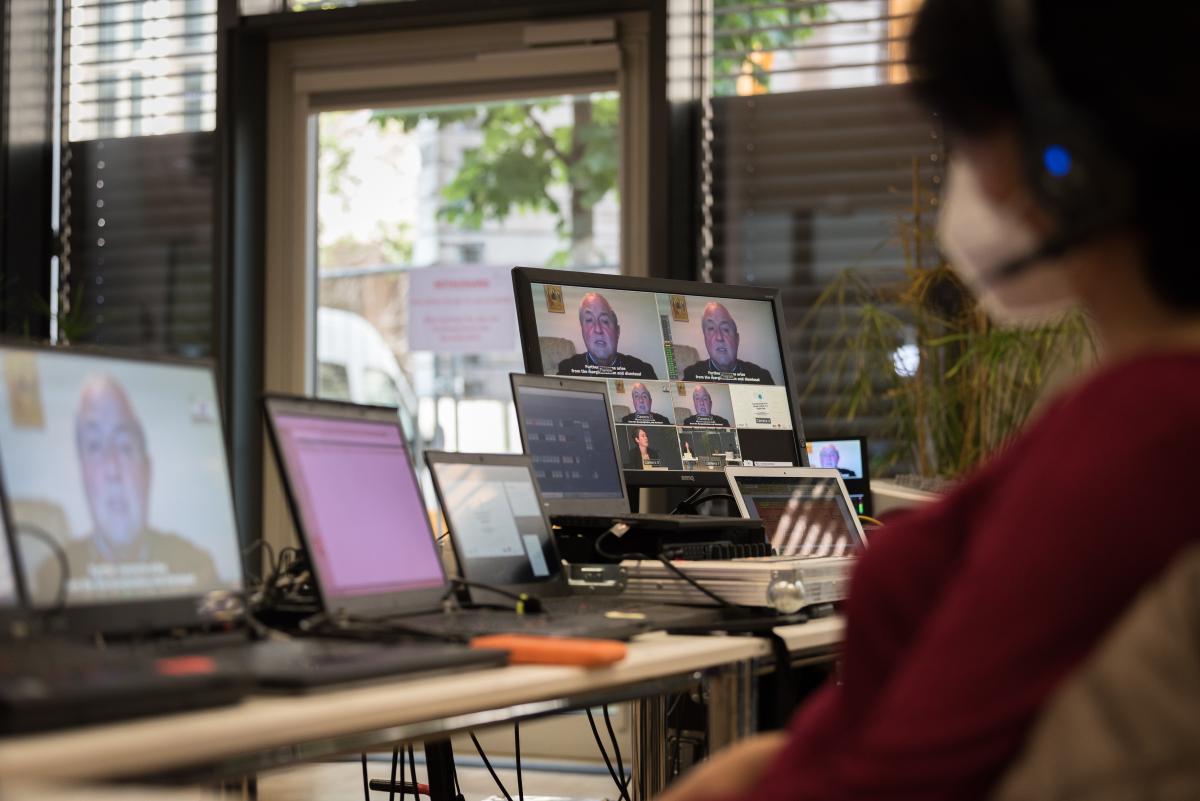
COVID-19 brought “openness to being transformed ourselves,” WCC acting general secretary reflects

“In the two years since the pandemic started, the World Council of Churches has, while mostly working remotely, reoriented its work to equip the world’s churches to address the healthcare and pastoral challenges posed by the pandemic and to minister in the presence of illness, death, and enormous disruption,” he said. “Since churches and the WCC are historically heavily identified with health and healing, a Ministry Support Team was assembled to field the many pastoral questions and concerns that have arisen in local and regional settings.”

Click here to read more.

Photo: Albin Hillert/WCC