Categories
In The News

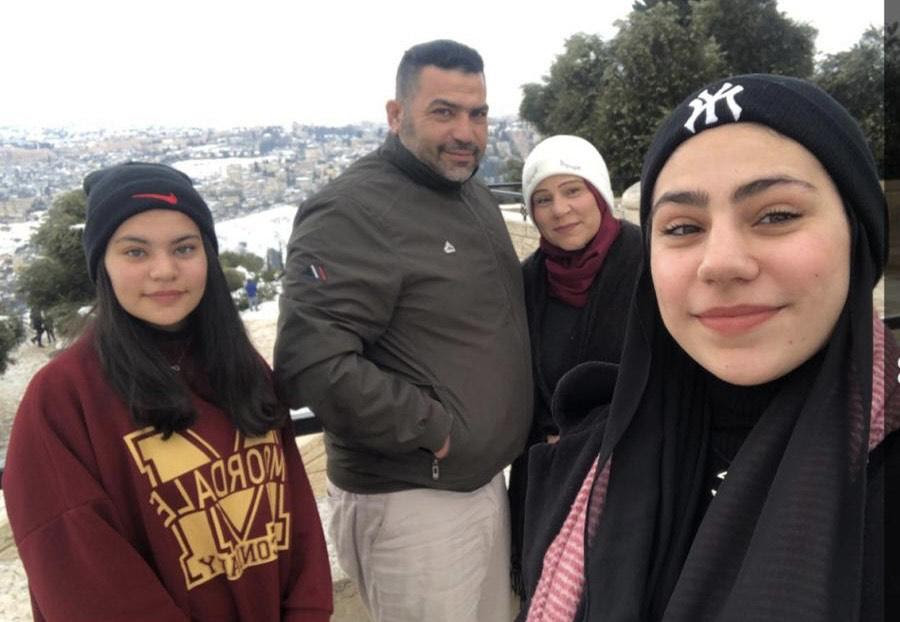
In Silwan, Jerusalem, “we want to see justice for everyone”

While The following feature story is part of a series that begins this year’s Easter Initiative, which will offer a glimpse into the daily lives of Palestinians, Muslims and Christians, living in and around Jerusalem, some of the challenges they face, and what gives them hope.

The concept of sacredness underscores these stories. Below, Yacoub Rajabi’s story speaks to the sacredness of human dignity—and the sacredness of life itself.

Click here to read more.

Photo: WCC

Categories
In The News

Russia-Ukraine crisis poses a serious threat to Egypt – the world’s largest wheat importer

Russia’s invasion of Ukraine could create a global food security crisis. It is disrupting agricultural production and trade from one of the world’s major exporting regions. This threatens to drive rising food prices still higher and create scarcity, especially for regions most dependent on exports from Russia and Ukraine.

Particularly affected is the Middle East and North Africa – or MENA – region. These Arab countries consume the highest wheat per capita, about 128 kg of wheat per capita, which is twice the world average. More than half of this comes from Russia and Ukraine.

Click here to read more.

Photo: Unsplash

Categories
In The News

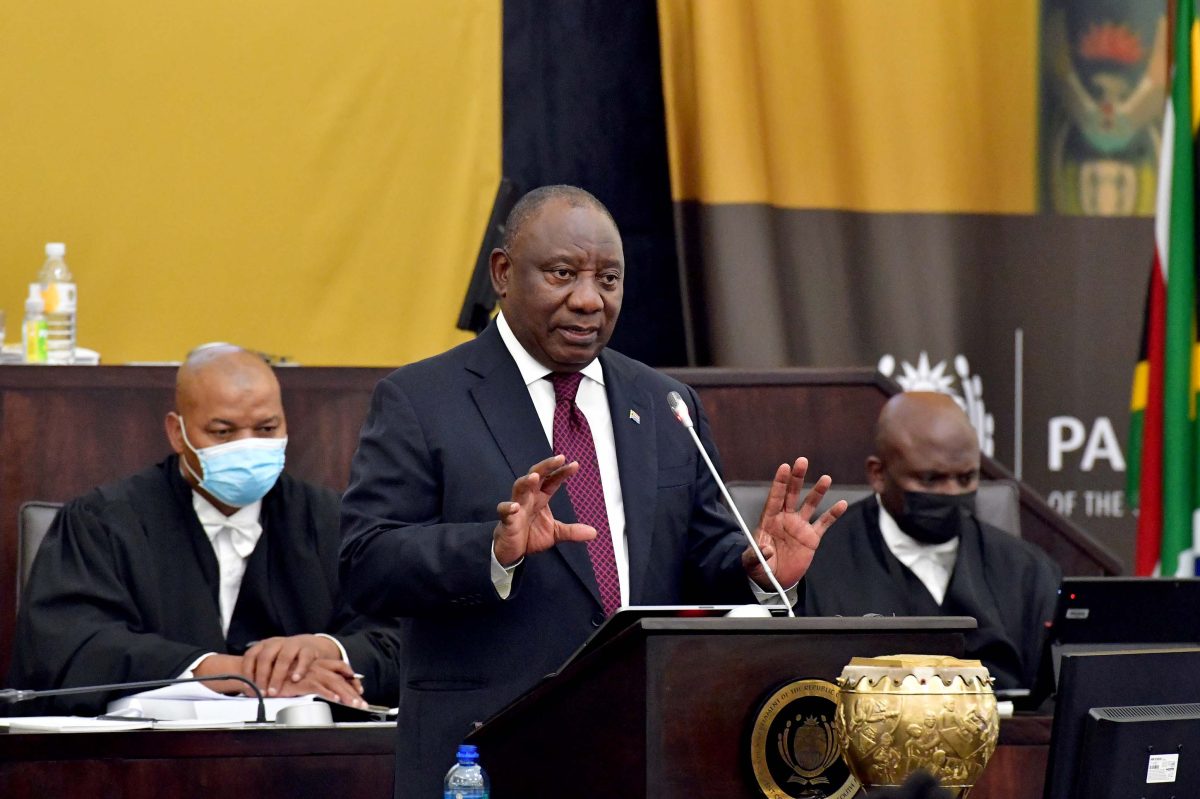
President expected to address the nation soon

As calls mount to do away with the National State of Disaster, President Cyril Ramaphosa says new health regulations that are meant to replace the lockdown regulations have been published.

The President said public consultations with leaders from different sectors of society are underway and that he will address the nation on the process in the coming days.

The President said this when he responded to oral questions in the National Assembly on Thursday.

The Department of Health this week published the proposed health regulations to deal with COVID-19 and other notifiable medical conditions outside the National State of Disaster.

Government is calling for public comments to allow the public to have meaningful input into the decision-making process after it extended the National State of Disaster with another month.

Click here to read more.

Photo: GCIS

Categories
In The News

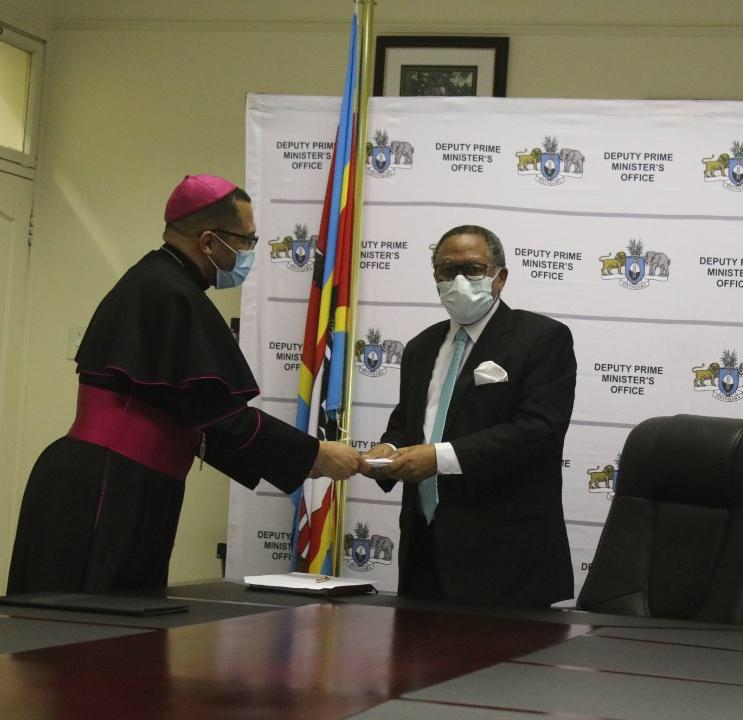
SACBC Statement following a Solidarity Visit to eSwatini

The Kingdom of eSwatini is known as a peaceful country with a culture of courtesy, humanness, and hospitality. We remember its hospitality and solidarity when it received the South African
refugees and exiles who were fleeing the oppression of the Apartheid state, in South Africa.

We also remember the hospitality with which the people of eSwatini received refugees from Mozambique in the late 1980’s and early 1990’s, fleeing the violence of the civil war in that country.

Both these countries owe an enormous debt of gratitude to the people of Eswatini. Exiles benefited from the superior quality of education in the Kingdom and returned well equipped to
serve their countries.

Click here to read more.

Photo: GCIS

Categories
In The News

DIRCO: Diplomacy “key to end Ukraine crisis”

International Relations and Cooperation Deputy Minister, Candith Mashego-Dlamini, says diplomacy remains the key to a peaceful resolution to the Russia-Ukraine conflict. 

The Deputy Minister said this when she participated in a Parliamentary debate on the conflict in the Ukraine on Tuesday. 

“As a nation birthed through negotiation, South Africa is always appreciative of the potential dialogue has in averting a crisis and de-escalating conflict. 

“In line with our strong commitment to the peaceful resolution of conflict, South Africa urges all parties to devote increased efforts to diplomacy and to find a solution that will help avert further escalation. 

“The door of diplomacy should never be closed, even as conflict has broken out,” she said. 

Click here to read more.

Photo: GCIS

Categories
In The News

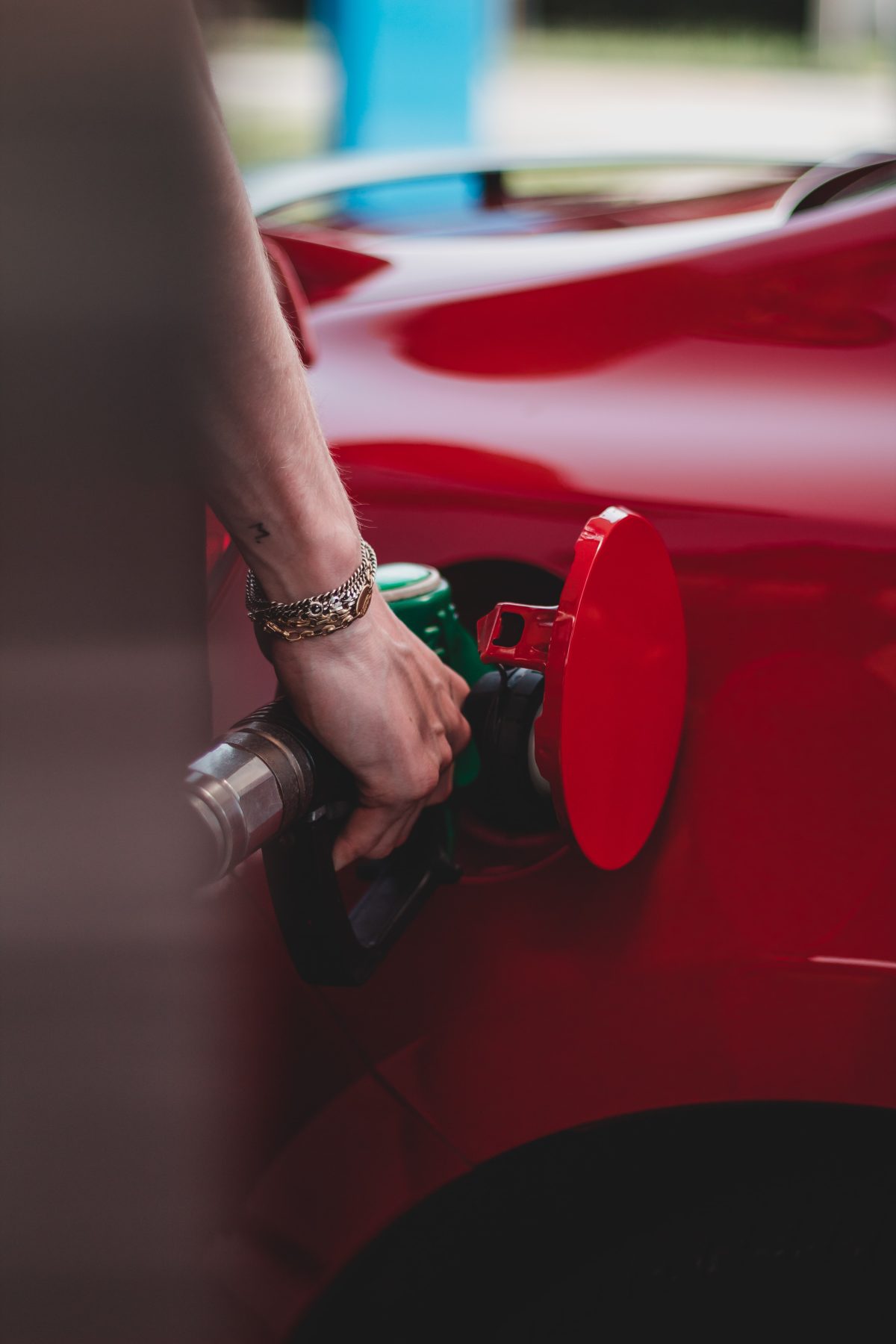
Ukraine conflict fuels petrol, food price increases

Deputy Finance Minister David Masondo has warned that with South Africa being a net importer of oil, the persistent conflict in Ukraine is having a severe impact on fuel prices which, in turn, is driving up food prices.

Participating in a Parliamentary debate that looked at the economic impact of the conflict on the South African economy, Masondo said there is the prospect of persistent supply and demand imbalances, which risks driving inflation higher and tightening financial market conditions.

“Since the conflict, there have already been sharp increases in the prices of crude oil, maize, wheat, and sunflower oil futures contracts. This is likely to persist until a resolution to the conflict is found,” he said.

The Deputy Minister said higher fuel and grain prices erode the disposable income of consumers.

He said this as local fuel prices recently went up to more than R21 per litre for the first time ever.

Click here to read more.

Photo: Unsplash

Categories
In The News

The Conversation: History may explain SA’s refusal to condemn Russia’s invasion of Ukraine

South Africa abstained in a vote in the United Nations General Assembly on the resolution condemning the Russian invasion of the Ukraine, and demanding their withdrawal.

The South African government has explained that it enjoys good relations with both Russia and the Ukraine; hence it abstained in the UN General Assembly vote condemning the Russian invasion.

Click here to read more in The Conversation.

Photo: GCIS / Flickr

Categories
In The News

Choose to buy local: President Ramaphosa

President Cyril Ramaphosa has encouraged South Africans – whether individuals or businesses – to always choose to buy local to support livelihoods, small business development and job creation.

The President said that by buying locally-produced goods, people will be supporting investment in research, new technology and innovation.

“As long as we are producing quality local goods, we should also be buying them,” he said.

The President was delivering a pre-recorded message to Proudly SA’s Buy Local Summit and Expo at the Industrial Development Corporation campus in Sandton on Tuesday.

He said there are a number of aims for the summit, including assisting government departments and agencies to use procurement legislation and procedures to drive demand for local goods.

The second aim, the President said, is to encourage corporate South Africa to expand its use of locally-made goods and services.

Click here to read more.

Photo: GCIS / Flickr

Categories
In The News

National State of Disaster on COVID-19 extended

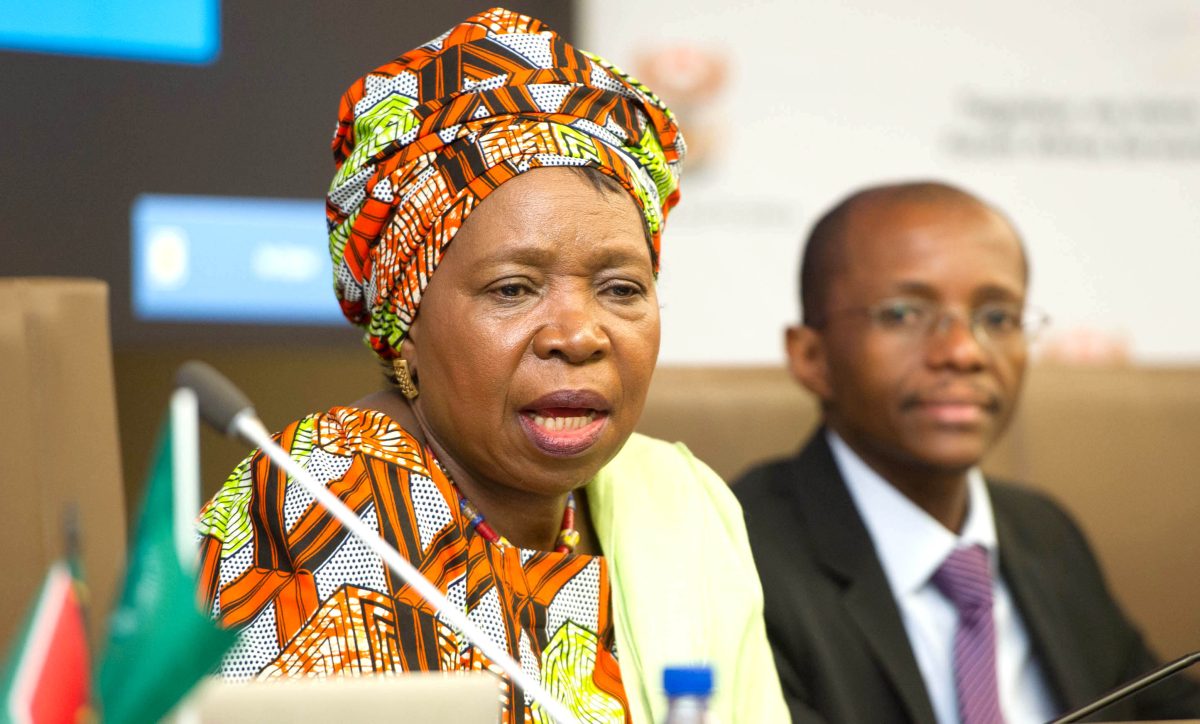
Cooperative Governance and Traditional Affairs (CoGTA) Minister, Dr Nkosazana Dlamini Zuma, has gazetted a further extension of the National State of Disaster on COVID-19, until 15 April 2022.

In a Government Gazette issued on Monday, the Minister said the extension took into consideration the “need to continue augmenting the existing legislation and contingency arrangements undertaken by organs of state to address the impact of the disaster”.

The country has been under regulations of the National State of Disaster on COVID-19 since March 2020 when South Africa recorded its first cases of the virus.

President Cyril Ramaphosa, during his State of the Nation Address in February, said government planned to scrap the National State of Disaster as the country entered a new phase in the management of the COVID-19 pandemic.

Later, Health Minister, Dr Joe Phaahla, said various departments were “working on alternative measures” to replace regulations related to the National State of Disaster which could be presented to the National Coronavirus Command Council (NCCC). 

Photo: Flickr

Categories
In The News

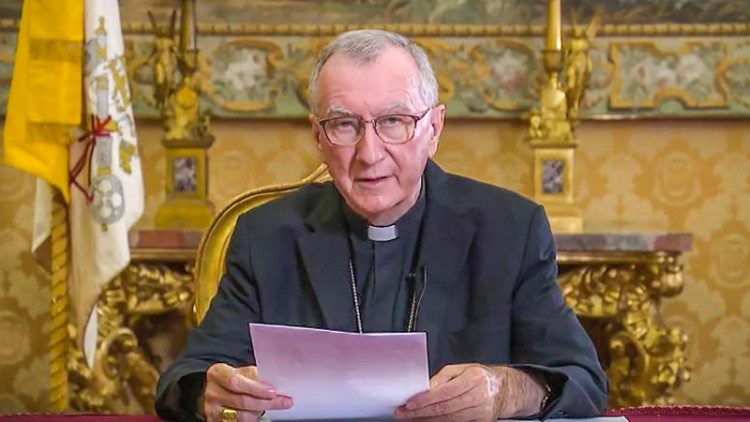
Ukraine: Cardinal Parolin ‘dismayed’ at bombing of children’s hospital

A Russian air raid struck a children’s hospital on the southern port city of Mariupol on Wednesday, killing at least three people, including a child.

The Vatican Secretary of State, Cardinal Pietro Parolin, criticized attacks on hospitals, in response to a reporter’s question at a conference in Rome on Wednesday evening.

Click here to read more.

Photo: Kremlin