Categories
In The News

COVID-19 jabs cross 30 million mark in SA

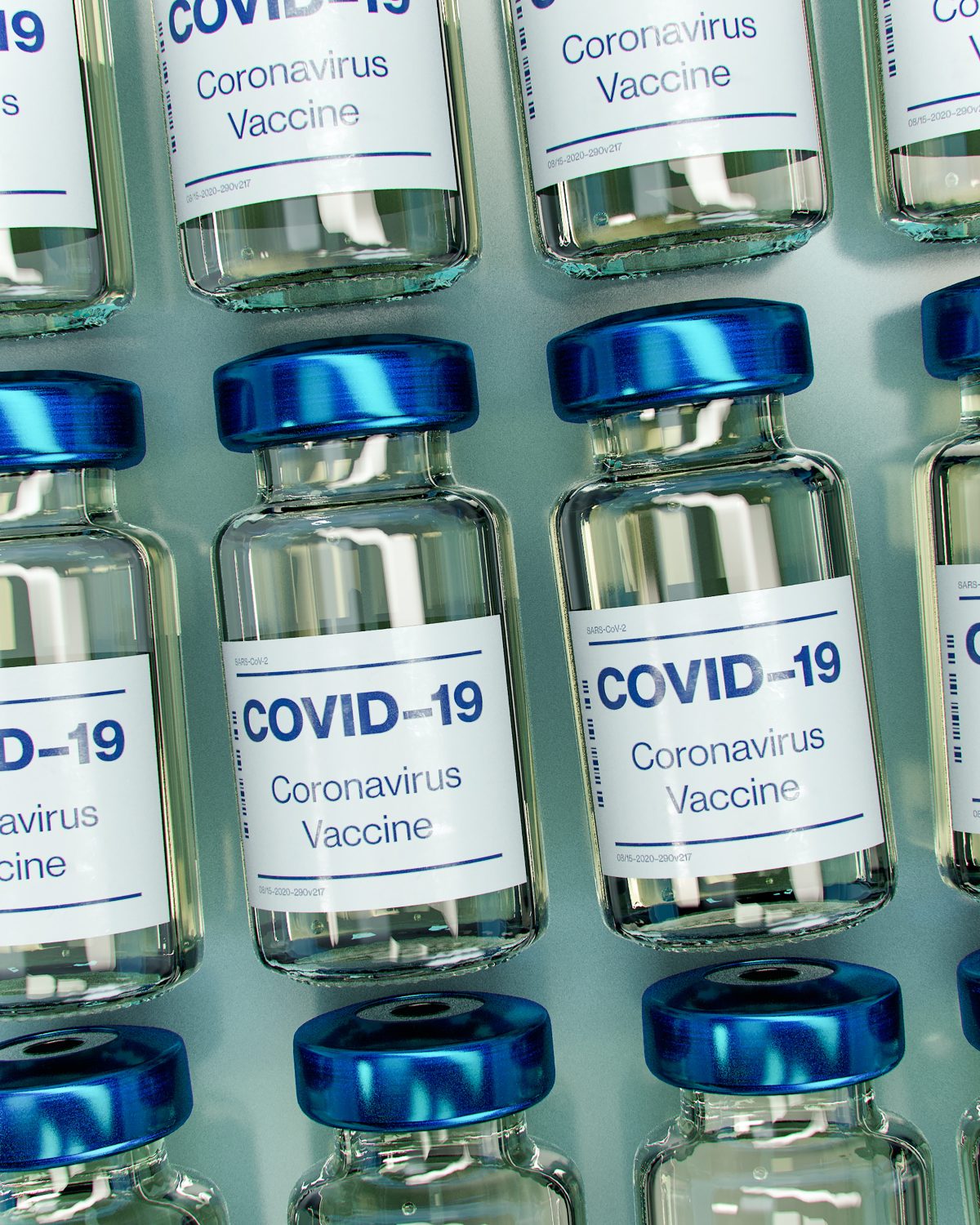
South Africa has now administered more than 30 million vaccine doses, 63 390 of which were given in the past 24 hours.  

According to the Department of Health’s latest data, government has now distributed 30 031 894 to illegible citizens since the rollout programme.

Meanwhile, the country has 16 533 662 or 41.54% fully jabbed adults, while 1 261 838 shots have been given to children between the ages of 12 and 17.

To date, 628 986 booster shots have been distributed, 222 069 of which were taken by men and 406 917 by women.
Meanwhile, there are 39 892 people who took the COVID-19 test on Wednesday, with 4 502 new cases, representing an 11.3% positivity rate.

Read more :

Photo: Unsplash

Categories
In The News

Higher Education proposes 4.23% fee increase

The Department of Higher Education and Training has proposed an increase of 4.23% for tuition fees for the 2022 academic year, and a maximum of 6.23% for accommodation at all 26 universities.

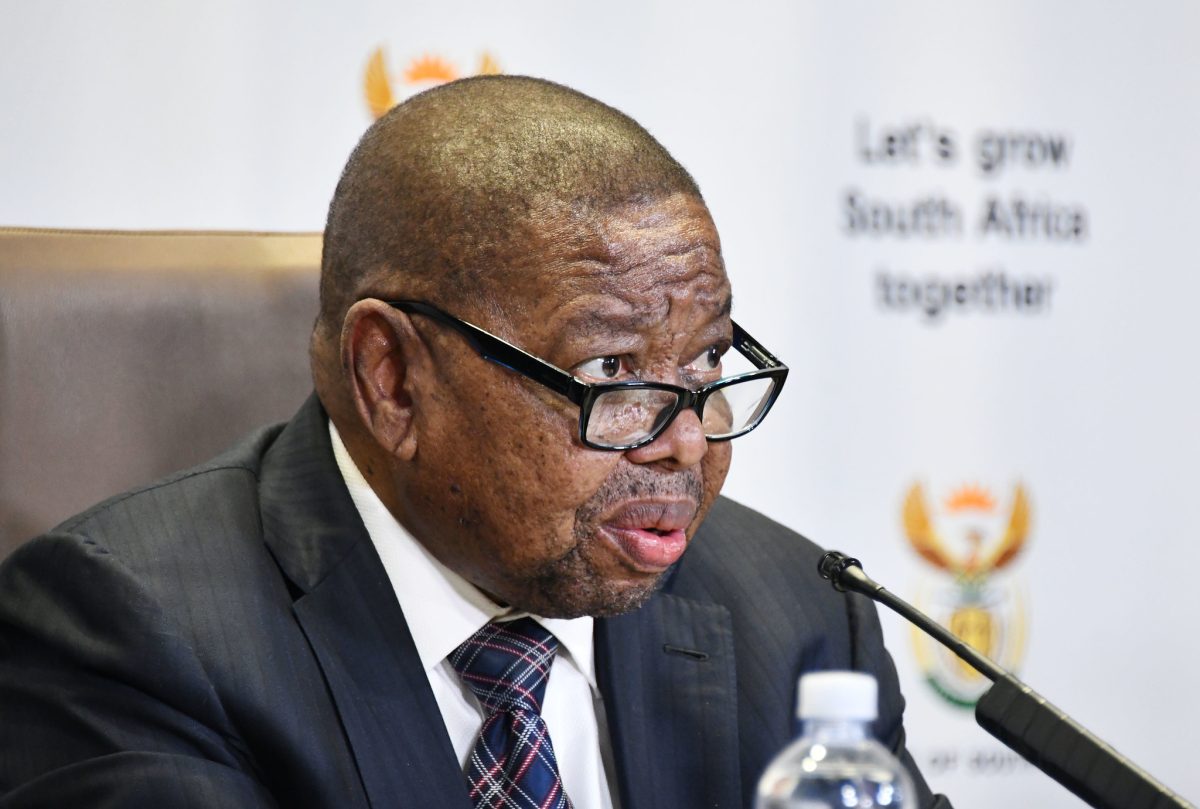
Briefing the media on the state of readiness for the Post School Education and Training (PSET) sector for the 2022 academic year on Tuesday, Higher Education, Science and Innovation Minister, Blade Nzimande, said fee increases are agreed upon in the sector as part of a social compact that has been in place since 2016, the only year when fees were not increased.

Click here to read more.

Photo: GCIS

Categories
In The News

Load shedding prevents ‘catastrophic blackout’ – de Ruyter

Eskom Chief Executive Officer, Andre de Ruyter, says the power utility is obligated to implement load shedding in order to avoid a total system failure.

He was speaking after the power utility announced that it would be implementing Stage 2 load shedding from Wednesday morning following breakdowns at power stations.

“[We] would have the system equivalent of cardiac arrest. We have 50Hz going to zero and then to restart that system will take a period of between two to three weeks which clearly is a catastrophic event that we want to avoid at all costs. Therefore the implementation of load shedding is an effort to prevent this catastrophic blackout.

“So it is extremely unfortunate but it is the prudent step that our system operator takes and in this instance we have had to take this decision to implement Stage 2 load shedding,” de Ruyter said.

Click here to read more.

Photo: Unsplash

Categories
In The News

SA records 3 085 cases, 23 deaths in 24 hours

South Africa has conducted 35 067 COVID-19 tests in the last 24 hours, with 3 085 new cases, representing an 8.8% positivity rate.

According to the National Institute for Communicable Diseases (NICD), the majority of new cases continue to be recorded in Gauteng after 1 001 people tested positive, followed by 419 infections in KwaZulu-Natal and 427 in the Western Cape.

This means the country now has 3 608 307 laboratory-confirmed cases since the outbreak.

In addition, the death toll stands at 95 288 after 195 fatalities were logged, of which 23 occurred in the past 24 to 48 hours.

Meanwhile, the number of hospital admissions jumped by 103 on Tuesday to 5 194.

According to the Department of Health, government has administered 29 957 898 vaccine doses, of which 69 268 were given on Monday.

Read more:

Photo: Unsplash

Categories
In The News

JUST IN: Loadshedding to be implemented once again

State power utility Eskom will implement Stage 2 load shedding from 11am today until 5am on Monday morning.

Eskom said this was due to a shortage of generation capacity following breakdowns at two generating units.

The breakdowns amount to at least 14 994 MW of energy.

“Since the weekend Eskom has utilised significant amounts of emergency generating reserves, which have now been depleted and need to be replenished. Eskom will need this period of load shedding to replenish the emergency generation reserves.

“A unit each and Kusile and Kendal power stations tripped. Delays in returning units at Kusile, Tutuka, Duvha, Lethabo and Grootvlei have also contributed to the current supply constraints,” it said in a statement on Wednesday.

The power utility said it expects at least three generating units back in service by Wednesday afternoon.

“Eskom appeals to all South Africans to help limit the impact of load shedding by reducing the usage of electricity and to switch off all non-essential items.

“We will communicate promptly should there be any significant changes to the power system.”

Read more:

Photo: Shutterstock

Categories
In The News

BREAKING NEWS: Schools to return to full time attendance next Monday

All schools across the country will return to full time attendance from Monday next week following a decision taken at a meeting of the Council of Education Ministers this morning.

This comes after Cabinet said primary, secondary and special schools should return to daily attendance and the regulatory provision for social distancing of one metre for learners in schools would no longer be mandatory.

In a statement, the Department of Basic Education said it welcomed the decision by Cabinet to allow schools to return to full-time learning in all schools.

Read more:

Photo: GCIS

Categories
In The News Testimonies

Anna Kriel, one of SA’s top matric students of 2021 makes her family proud

Anna Christina Kriel, daughter of Charla Kriel, from Rhenish Girls’ High School achieved the second-highest maths score in South-Africa. 

Marilou Marais Ferreira, family of Anna shared her congratulations on Facebook. “I am sooooo proud of this beautiful beautiful person! Charla Kriel! You still remain someone in my life to look up to! You guys are amazing and tonight I raise a glass on good friends and good genes,” she wrote. 

Anna is off to study Industrial Engineering at Stellenbosch University.

Read more:

Photo: Facebook

Categories
In The News

SA records 1 366 new cases, 71 deaths in 24 hours

South Africa detected 1 366 new COVID-19 cases, representing an 8.1% positivity rate, the National Institute for Communicable Diseases (NICD) said on Monday. 

Gauteng remains the worst-hit province after 563 people tested positive, followed by 189 in the Western Cape, 175 in KwaZulu-Natal, 132 in Mpumalanga, while the rest of the provinces recorded less than 100 infections.

This means there are now 3 605 222 confirmed infections since the start of the pandemic.

Read more:

Photo: Unsplash

Categories
In The News Media Room

Housing, food highest costs for SA households – Stats SA

The average South African household is consuming more goods and services, and is still spending most of its money on housing, food and transport.

That is according to Statistics South Africa’s newly published changes to the average South African household’s Consumer Price Index (CPI) basket of goods and the new weights for the CPI.

The weights indicate which items South African households spend more money on, while the CPI basket of goods indicate which products most South Africans are buying – an indicator of the cost of living.

“In the most recent update… the CPI basket will now contain 415 items, up from 404 in 2016. A total of 14 new items were added, while two items were removed from the basket. Some products were either split into two or combined into one,” the data collection agency said.

Stats SA explained that the revisions were based on information collected as at December 2019 and the list was determined from “detailed sales information” from South African retailers.

The statistics body said the reference period of the weights is 2019, to reflect a normal period not including the economic devastation caused by COVID-19.

“As the weights remain fixed for a number of years into the future, the CPI manual guides that the weights should reflect a ‘normal’ consumption period and to adopt weights that are not likely to change much in the future,” Stats SA said.

The South African shopping bag 

According to Stats SA, more products have been added to the consumer basket of goods to reflect a change in South African spending habits, while others – which may have become obsolete due to technological changes – have fallen way.

“In this update, DVD players and satellite dishes are out of the basket, while sound bars and speakers are included. The item ‘pre-recorded CDs’ was renamed ‘CDs, subscription and streaming music’ to reflect the growth in consumer appetite for streaming music services.

“A few tweaks were also made to items already in the basket. With growth in the use of data services, the item ‘internet usage’ was split into wired (e.g. fibre) and wireless (e.g. cellular) forms of access. Energy saving and traditional lightbulbs, previously listed as separate items, were amalgamated into one product following the near disappearance of incandescent bulbs,” Stats SA said.

In food, beverages (both alcoholic and non-alcoholic) and household items, a few inclusions have also been made to reflect consumer spending habits.

“Gin is the only new inclusion in the alcoholic beverages category, reflecting its growing popularity among consumers in South Africa. Cappuccino sachets have also entered the basket, as well as dairy/fruit juice blends, samp, pureed baby food and jam.

“Personal care products such as razors, wipes and make-up (foundation) made the grade as well, together with household items such as floor and wall tiles and fabric softener,” Stats SA said.

CPI weights

 Stats SA revealed that the calculation of the CPI weights, which is what proportion of household income is spent on what items, were adjusted using household spending growth based on national accounts information.

“This is the first time that Stats SA has fully relied on national accounts data for recalibrating the CPI weights. In line with international standards, the weights are usually based on spending data from a household expenditure survey, such as the Income and Expenditure Survey and the Living Conditions Survey (LCS) that informed the last update in 2017.

“Due to budget cuts, Stats SA was not allocated funding to conduct a household expenditure survey since the 2014/15 LCS. However, the sources and methods used to update the basket and weights are nevertheless consistent with international good practice,” said Stats SA.

The new weights reflect that South Africans still consistently spend the bulk of their income on housing, transport and food.

The least proportion of income is spent on health, communication and education.

“Alcoholic beverages and tobacco saw the largest weight increase, rising by 0.44 of a percentage point to 6.26%. The weight for miscellaneous goods and services experienced the biggest drop, decreasing by 0.24 of a percentage point to 14.81%,” Stats SA said.

The statistics body is expected to announce the consumer price index – the cost of living – for January on February 16.

“The… basket is the bedrock from which the consumer price index is calculated. Prices for all items in the basket are collected on a regular basis. Stats SA measures the changes in these prices to calculate the inflation rate, or the change in the cost of living,” Stats SA said.

Read more:

Photo: Unsplash

Categories
In The News

JUST IN: Changes to lockdown regulations

A special Cabinet meeting held today, 31 January 2022, has approved changes to the Adjusted Alert Level 1 COVID-19 regulations. This follows meetings of the National Coronavirus Command Council (NCCC) and the President’s Coordinating Council (PCC) which received updates on the management of COVID-19 in South Africa. 

The information gathered through the system used by the Department of Health has reported that South Africa has exited the fourth wave nationally. 

Based on the trajectory of the pandemic and the levels of vaccination in the country, Cabinet has decided to make the following changes to Adjusted Alert Level 1 with immediate effect: 

·      Those who test positive with no symptoms do not have to isolate.  

·      If you test positive with symptoms, the isolation period has been reduced from 10 to 7 days.

·      Contacts do not have to isolate unless they develop symptoms. 

The rationale for these amendments is informed by the proportion of people with immunity to COVID-19 which has risen substantially, exceeding 60-80% in several sero-surveys. 

Cabinet also reviewed the resumption of schooling to full-time learning in all schools. Primary, secondary and special schools will return to daily attendance. The regulatory provision for social distancing of 1meter for learners in schools has also been removed. 

The Ministers of Health and Basic Education will in the coming days issue directives reflecting on this new approach. 

Government commends all South Africans who continue to observe COVID-19 regulations and protocols. We also remind those who are yet to get vaccinated to go for their COVID-19 vaccination and continue observing basic health protocols to prevent the transmission of the virus. 

Read more:

Photo: GCIS