Categories
In The News

Those who already had COVID-19 also at risk of being reinfected by Omicron

Those who have had COVID-19 may be reinfected more easily with the new COVID-19 variant, Omicron, currently spreading across the world.

According to preliminary analysis by the National Institute for Communicable Diseases (NICD), scientists are noting a high rate of reinfections during the current resurgence compared to the previous waves.

“Now we’re seeing an increase for Omicron and that speaks to the fact that in our population with a high seroprevalence, where many people have had the previous infection. We believe that previous infection does not provide them protection from infection due to Omicron,” said Professor Anne von Gottberg.

Von Gottberg, who is a Clinical Microbiologist at the NICD’s Centre for Respiratory Diseases and Meningitis, was a panellist at a press conference on Omicron and the vaccine rollout in Africa.

Click here to read more.

Photo: Flickr / GCIS

Categories
In The News

Shocking 8,561 new Covid-19 cases reported

A ttotal of 51,977 Covid-19 tests were done in the last 24 hours, with 8,561 new cases, representing a positivity rate of 16.5%.

72% of these cases came from Gauteng.

South Africa reported 4 373 coronavirus cases yesterday, which means that the number of daily cases has increased by 96% in the past 24 hours.

The Omikron variant has already been reported in five provinces across the country.

Experts estimate that by the end of the week, South Africa will record more than 10,000 new cases a day, with President Cyril Ramaphosa possibly speaking to citizens on Sunday night.

AfriNuus reported on 14 September that Salim Abdool Karim, epidemiologist, predicts that the fourth wave could last from 2 December this year to 15 February 2022 (75 days).

Click here to read more.

Photo: NICD

Categories
In The News

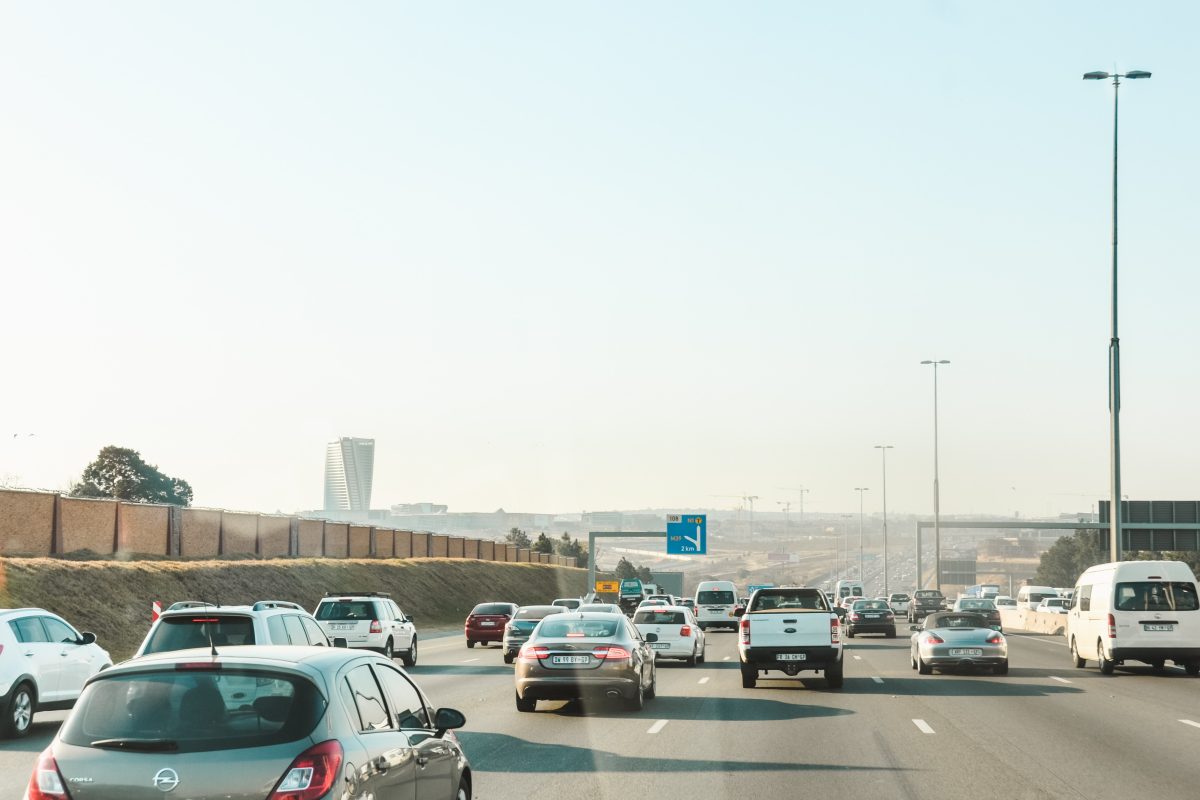
Department readjusts petrol price

The Department of Mineral Resources and Energy (DMRE) has announced the readjustment of the price of both 93 and 95 ULP and LRP grades.

“The DMRE regrets to announce that the adjustment of the petrol price announced on Monday, 29 November was erroneous,” said the department on Wednesday.

On Monday, the department announced that the price of petrol (both 93 and 95) will go up by 81c per litre taking the price to R20.35 a litre in Gauteng as of Wednesday.

On Wednesday, the department announced that the price of petrol has risen by 75 cents a litre instead. This means that a litre of 95 ULP in Gauteng, which currently costs to R20.35 will now cost R20.29.

Click here to read more.

Photo: Unsplash

Categories
In The News

73% of new daily Covid-19 infections detected in Gauteng

South Africa recorded 4 373 new COVID-19 cases on Tuesday, of which 3 143 were reported in Gauteng alone.

According to the National Institute for Communicable Diseases (NICD), this means there is now a total number of 2 968 052 laboratory-confirmed cases.

Read more:

Photo: Unsplash

Categories
In The News

Unemployment reaches 34.9%

The number of unemployed South Africans rose by 0.5% in the third quarter (Q3) of 2021, Statistician-General Risenga Maluleke has announced.

The rise saw the country’s unemployment reach 34.9%. 

Read more below:

Photo: Unsplash

Categories
In The News

SA records over 2 270 new COVID-19 cases overnight

South Africa’s COVID-19 caseload is edging closer to three million after 2 273 new infections were recorded in the past 24 hours.
According to the National Institute for Communicable Diseases (NICD), this pushes the total number of laboratory-confirmed cases to 2 963 679.

Read below more:

Photo: Unsplash

Categories
In The News

Here is the official petrol and diesel price for December

South Africans will be paying more at the pumps from Wednesday when fuel prices are expected to increase.

According to the Mineral Resources and Energy Department, the price of petrol (both 93 and 95) will go up by 81c per litre, while the price of diesel 0.05% will increase by 72c and diesel 0.005% sulphur will increase by 75c per litre.

Click here to read more.

Photo: Unsplash

Categories
In The News

SA records 2 858 new COVID-19 cases, over 80% detected in Gauteng

South Africa has reported 2 858 new COVID-19 cases, according to the National Institute for Communicable Diseases (NICD) figures.
This was 362 fewer infections logged than the previous day.

Read more below:

Photo: Unsplash

Categories
In The News

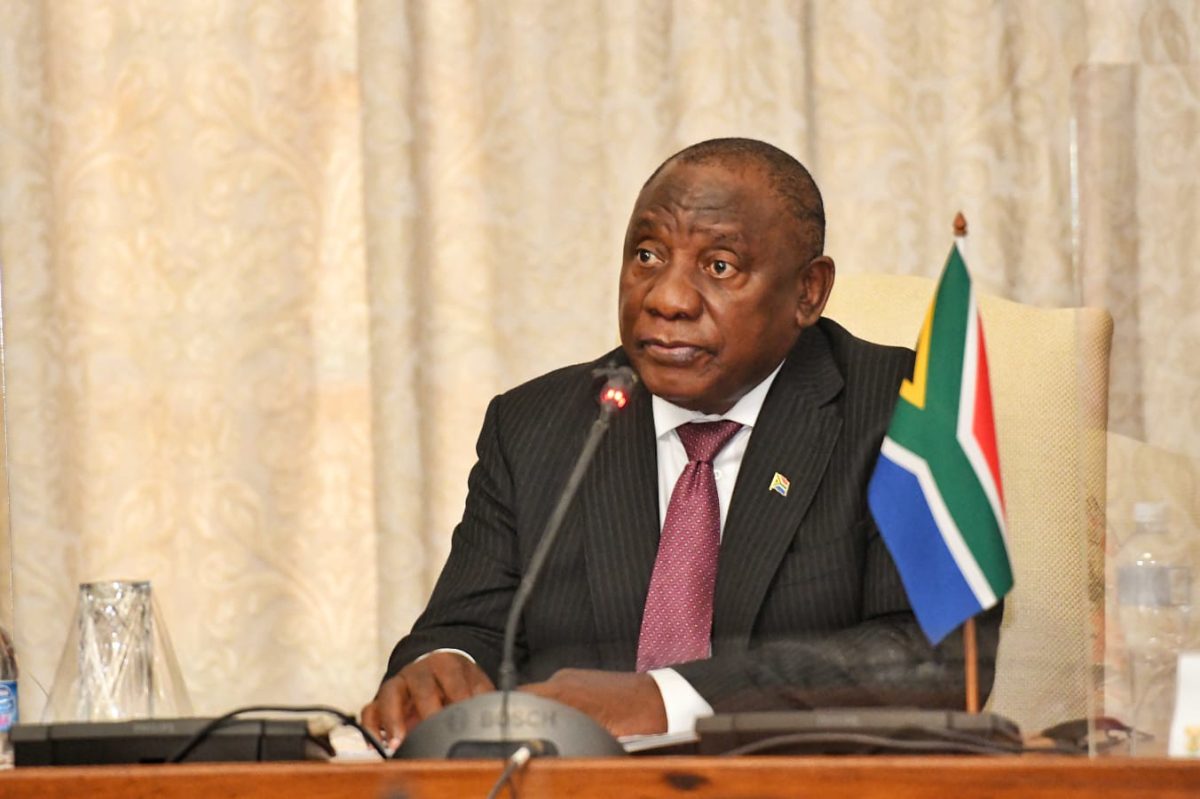
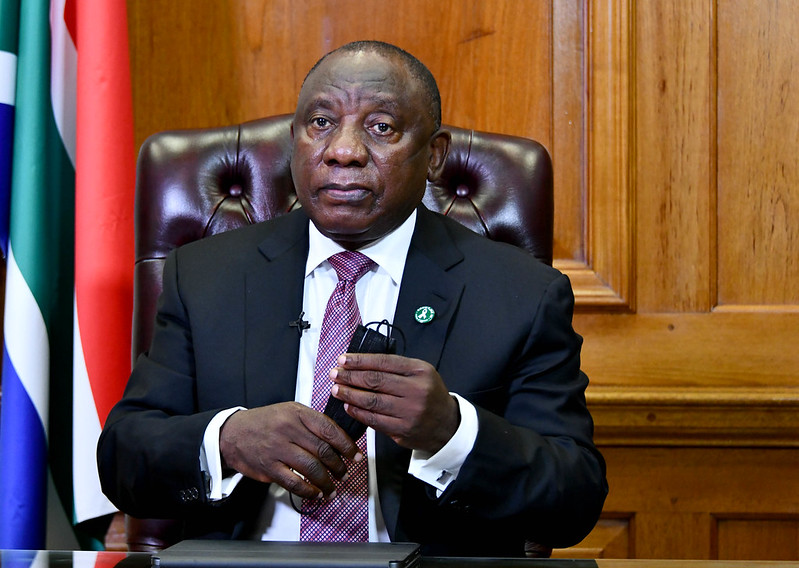
Ramaphosa on the power crisis in SA

Ramaphosa replied to questions in the National Assembly.

“The recent load shedding – which has disrupted daily life for millions of South Africans and caused great damage to our economy – is a stark reminder of the severe and intractable challenges in our electricity system,” Ramaphosa said.

“Load shedding is always the last resort where demand for electricity is greater than what can be produced. It is necessary to prevent the collapse of the power grid and a complete blackout.”

“At its core, load-shedding is the inevitable consequence of the age of many of Eskom’s power plants and its inability over many years – due to debt, lack of capacity and state capture – to service its power plants.”

“Eskom has to undertake the fundamental maintenance that is necessary to improve the reliability of our electricity supply.”

“As it continues with maintenance, load-shedding will remain a possibility for the immediate future.”
 “But we are not simply waiting for the inevitable. We are working hard to fix this problem.”

Click here to read more.

Photo: Flickr / GCIS
Categories
In The News

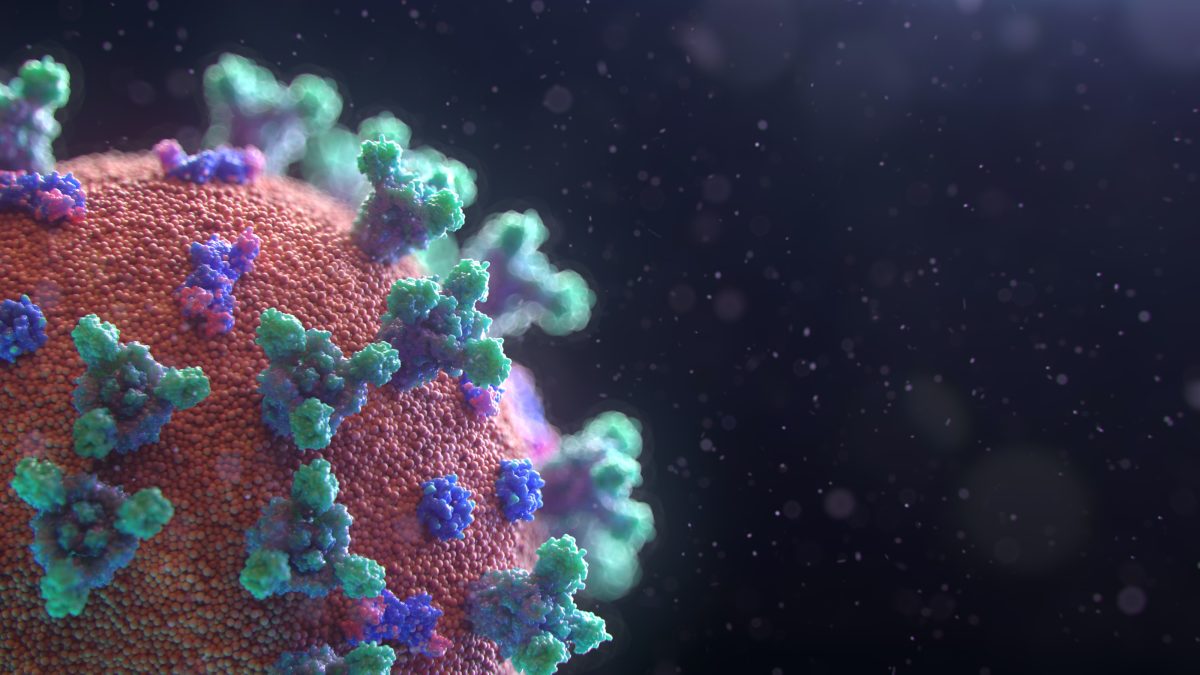
New COVID-19 variant detected in SA

Health Minister, Dr Joe Phaahla, has confirmed that a new COVID-19 variant has been detected in South Africa.

The Minister, who was speaking during a media briefing on Thursday, believes that the new COVID-19 variant, B.1.1.529, may have been tied to the recent cluster outbreaks in Gauteng.

“You can be rest assured that as people move in the next coming weeks, this [variant] will be all over,” Phaahla warned.

Click here to read more.

Photo: Unsplash