Categories
In The News

Pope Francis condemned “the massacre of Bucha”

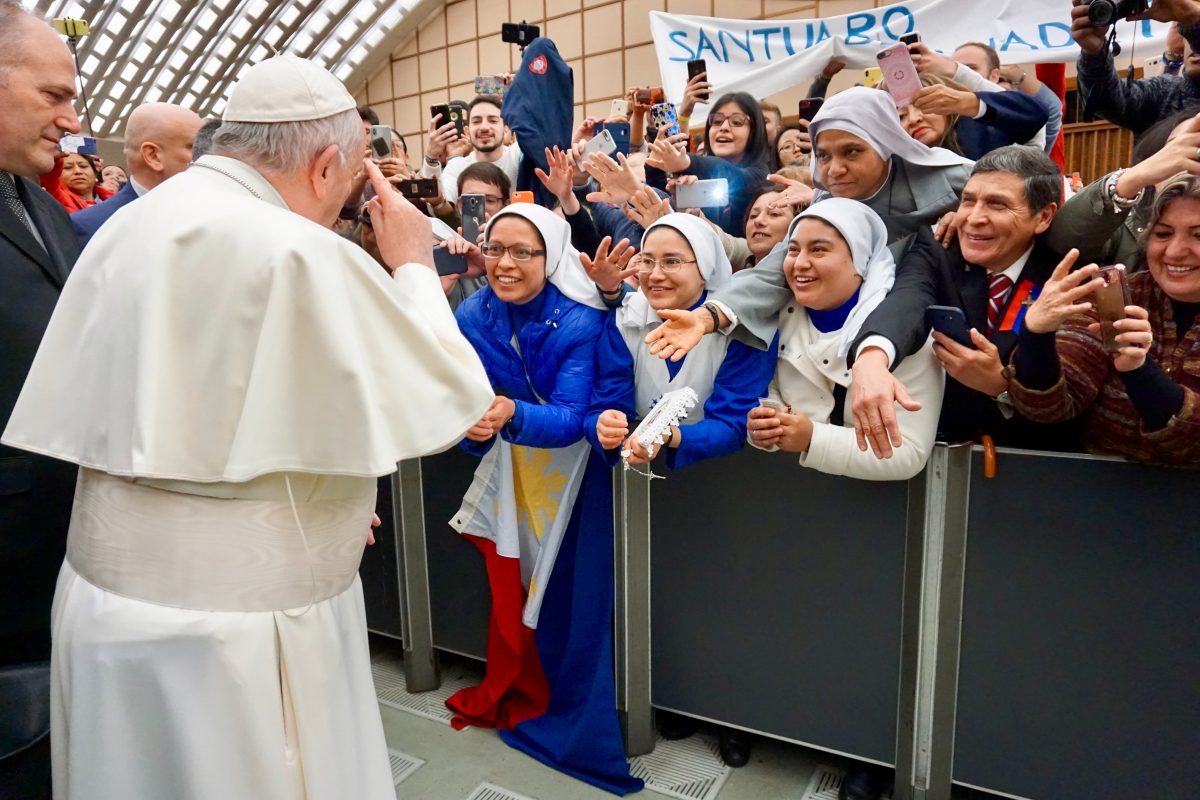
On Wednesday Pope Francis condemned “the massacre of Bucha” and held up a Ukrainian flag sent to him from the town where tied bodies shot at close range, mass graves and other signs of executions were found, “the martyred city, Bucha”.

“Recent news from the war in Ukraine, instead of bringing relief and hope, brought new atrocities,” he said at the end of his weekly audience in Vatican.

“Cruelty that is increasingly horrendous, even against civilians, defenceless women and children. They are victims whose innocent blood cries out up to heaven and implores: ‘Stop this war! Let the weapons fall silent! Stop sowing death and destruction,'” he said.
Russia has denied its forces committed any war crimes, accusing Ukraine of fabricating the scenes. 

Watch the video below for more information: 

Photo: WCC

Categories
In The News

On World Health Day, Christian Conference of Asia calls for “healthy, sustainable, and equitable society”

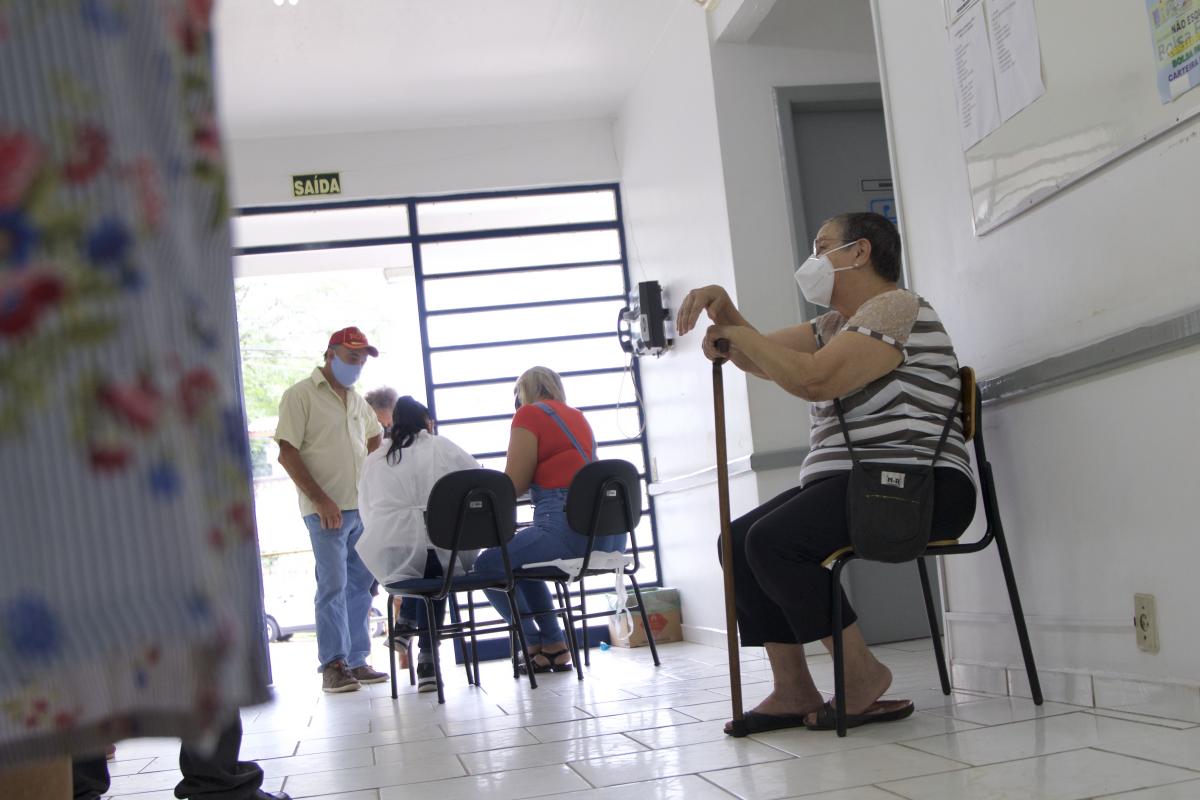
On World Health Day, observed 7 April, the Christian Conference of Asia published a statement under the theme “Our Planet, Our Health” that calls for equating our health and wellbeing with our environment.

“A healthy, sustainable, and equitable society is essential for the wellbeing of everyone on our planet,” the statement reads. “Social and economic conditions, together with accessible and high-quality health care are indispensable for the health of populations everywhere.”

The statement expresses concern over differences in access to medical facilities and health care. “Medical care includes preventive services, such as vaccinations, preventive check-ups and health education, as well as treatment and rehabilitation services, all of which are essential parameters for an equitable society,” the statement reads.

Click here to read more.

Photo: WCC

Categories
Inside Church

Churches´Commission for Migrants in Europe to release European church leaders’ statement on response of Europe to refugees

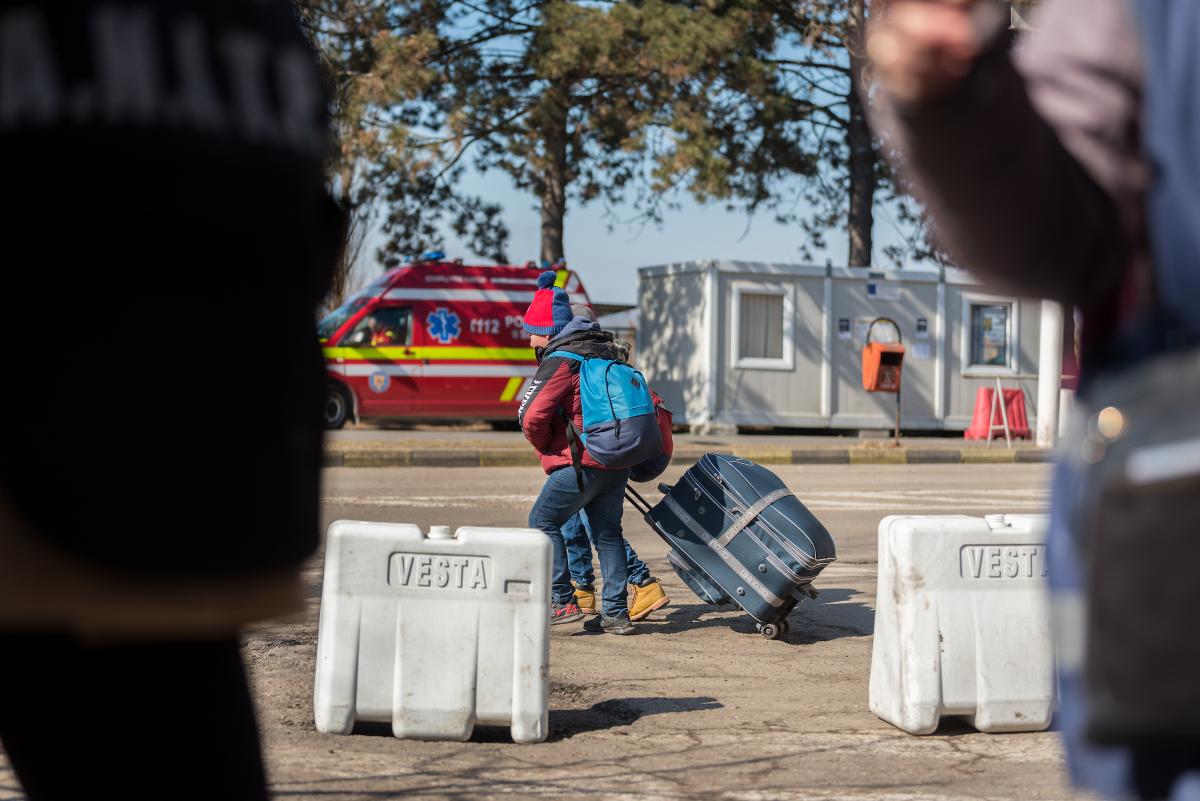
The Churches’ Commission for Migrants in Europe – CCME will soon release a statement that speaks about the response of Europe to refugees fleeing the war in Ukraine. The statement will also address the concerns of discriminatory treatment of non-Ukrainians and minority ethnic people in this context and the more general question that the generosity shown in recent weeks often has not been extended to those fleeing from elsewhere. 

Below, Dr Torsten Moritz, general secretary at the Churches’ Commission for Migrants in Europe, reflects on why church leaders requested such a statement, and what lies at the heart of some of their different inputs.

Click here to read more.

Photo: WCC

Categories
Inside Church

World Relief: From Welcomed to Welcomer

At the end of April, World Relief will celebrate National Volunteer Appreciation Week, a time to recognize the impact and power of volunteers to “tackle society’s greatest challenges, build stronger communities and be a force that transforms the world.” 

Last year, World Relief engaged 8,430 volunteers and 873 church partners in the U.S. to welcome and walk alongside their refugee and immigrant neighbors. Today, Todun Afolabi, World Relief’s U.S. Volunteer Engagement Manager, shares her own journey from welcomed to welcomer.

Click here to read more.

Photo: World Relief

Categories
Inside Church

JUST IN: Pope Francis appoints a new bishop of Kokstad

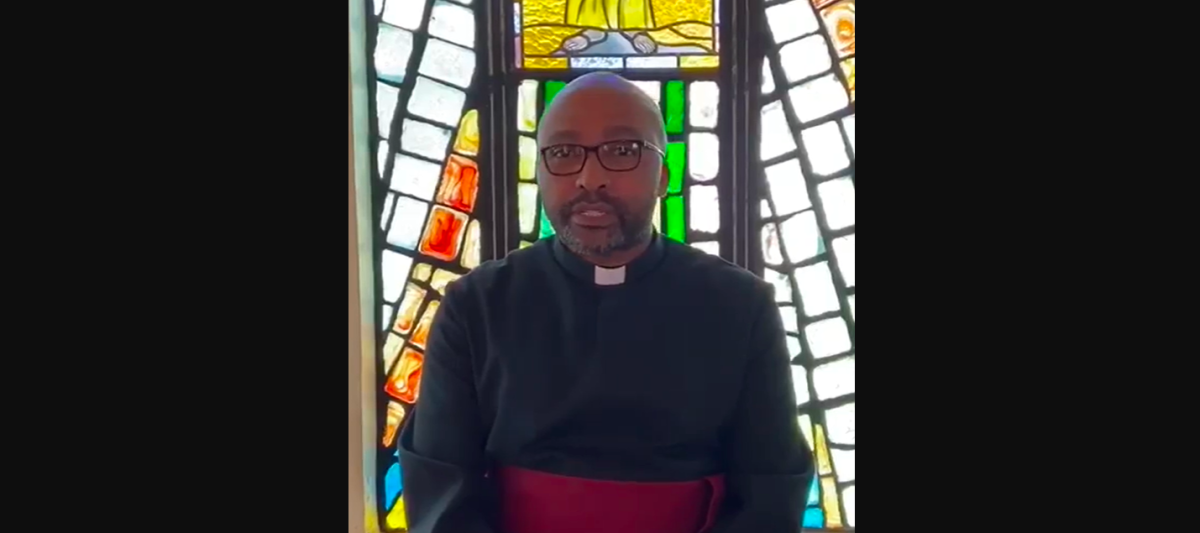
His Holiness, Pope Francis, has appointed Rev. Fr. Thulani Victor Mbuyisa, CMM, till now the Superior General of the Congregation of the Missionaries of Marrianhill, as the Bishop of the Diocese of Kokstad.

Curriculum vitae:

His Excellency, Monsignor Thulani Victor Mbuyisa, C.M.M, was born on February 13, 1973 in Exobho, in the Province of KwaZulu-Natal, Archdiocese of Durban. He entered the Congregation of Mariannhill Missionaries in 1992, making perpetual vows on February 2, 1997. He studied Philosophy (1994-96) and Theology (1996-99) at St. Joseph’s Theological Institute of Cedara in South Africa.

Ordained a priest on 4 March 2000, he subsequently held the following positions: Parish Vicar of St. Michael’s Mission, Chaplain of Mangosuthu University of Technology and of St. Francis College of Mariannhill and Vice-Director of Novices (2001-2002); Licentiate in Canon Law from Saint Paul University in Ottawa, Canada (2002-2004); Chaplain of Mangosuthu University of Technology and Vice-Director of Novices (2005-2007); Superior and formator at the Nivard House Formation House in Nairobi, Kenya (2007-2010); Provincial Superior of the Mariannhill Missionaries in East Africa, Nairobi, Kenya (2010); Councilor and Secretary General (2010-2012), Vicar General and Procurator of the Congregation of the Missionaries of Mariannhill (2012-2016). From October 2016 up to now he has been Superior General of the same Congregation.

Congratulations to the Diocese of Kokstad.

Click here to read more.

Photo: Southern African Catholic Bishops’ Conference

Categories
In The News

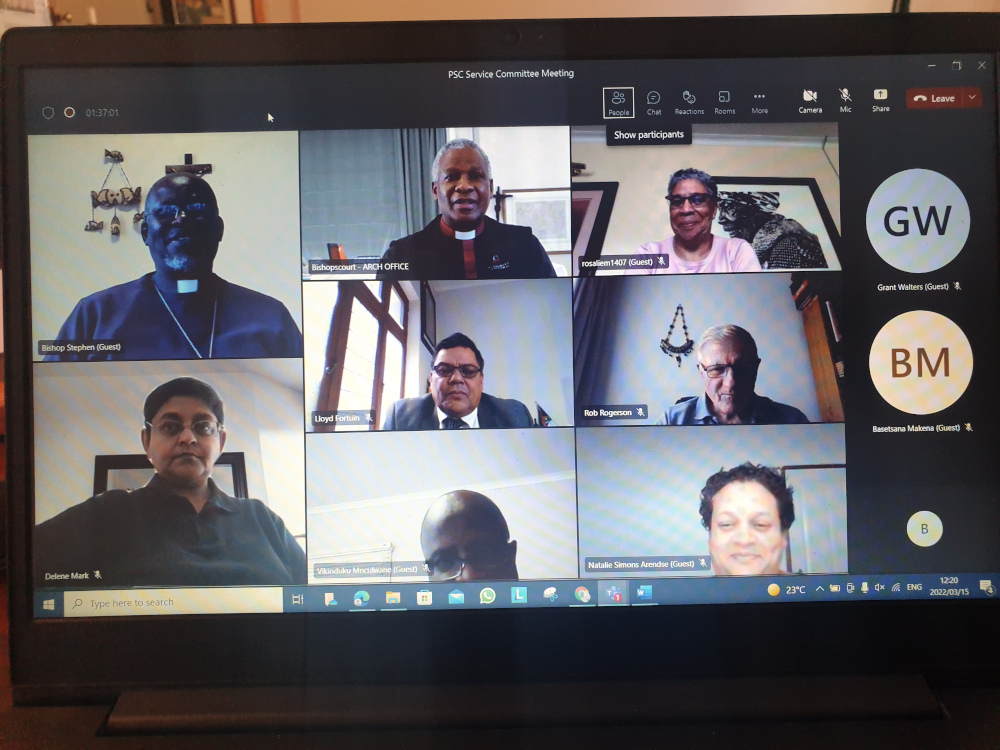
Anglican Church of SA: Planning for Provincial Standing Committee begins

Preparations are under way for this year’s meeting of the Provincial Standing Committee (PSC), which will again be held virtually.

PSC will take place from September 28-30, and will follow the Lambeth Conference, the world-wide meeting of Anglican bishops, which will be held in Canterbury, UK, from July 26 to August 8.

The PSC Service Committee, which plans the annual meetings of the top Provincial body between Provincial Synods, met recently and set a deadline for June 20 for the Province’s various committees and ministries to send in their reports.

PSC comprises a lay and clergy representative from each Diocese, as well as the Bishops of the Province.

Click here to read more.

Photo: Anglican Church of SA

Categories
In The News

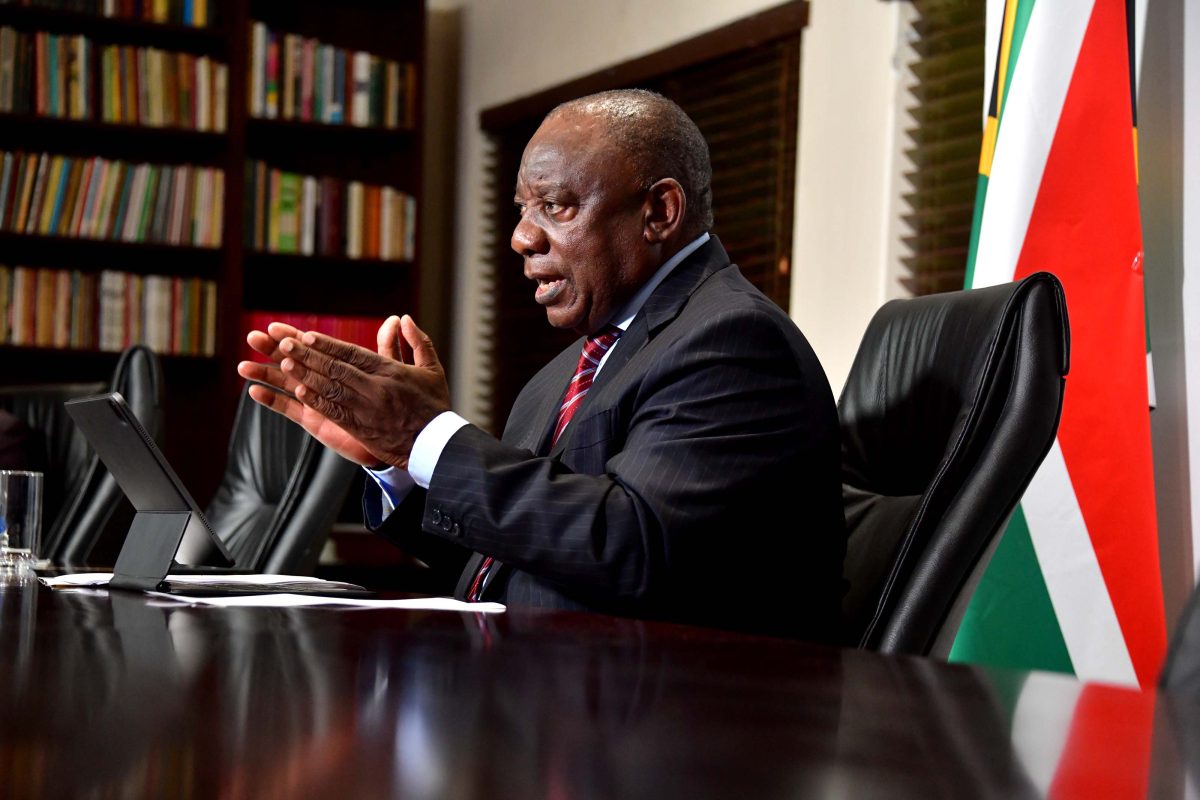
Economic recovery in SA: No more time for ‘platitudes’

President Cyril Ramaphosa says government has made a concerted and concrete effort to rebuild the South African economy following the devastation caused by the COVID-19 pandemic on global economies.

The President was speaking during the launch of the Oxford Handbook of the South African Economy on Wednesday. The book takes a wide-ranging look at the South African economy and the challenges it is facing.

“The COVID-19 pandemic has depressed economic activity, disrupted global supply chains and deepened inequality. South Africa’s economy has similarly been severely affected.

“While the economy expanded by 4.9% in 2021, the impact of the pandemic continues to be felt throughout the economy and society. And we know that there is yawning gap between where we are and where we need to be,” he said.

The President highlighted that government’s decision to widen the social security safety net through the R350 Social Relief of Distress Grant which reaches at least 10 million people, only partly addresses the economic vulnerability that millions of South Africans were plunged into as a result of the pandemic.

President Ramaphosa added that unemployment – as a root cause of this economic vulnerability – needs to be addressed to ensure that “no-one is left behind” in South Africa’s economic recovery and reconstruction.

“Over the past few months, we have been in engagements with social partners to craft a social compact for job creation and economic growth. This compact will complement the Economic Reconstruction and Recovery Plan with a sharp focus on employment. 

“As we emerge from the worst of the pandemic, we recognise that the crisis of economic exclusion that threatens to engulf this country can only be overcome through concerted action by all social partners. This social compact will focus on a clear set of actions by each social partner,” he said.

Addressing declining GDP per capita

President Ramaphosa highlighted that throughout the past five decades, the country’s Gross Domestic Product per capita has been on a steady decline with other countries surging in the opposite direction.

“We have to ask ourselves: why are we falling behind? The democratic government has developed inclusive policies and arrested this trend of divergence. But there is consensus that far more is required.

“With an economy stuck in low gear, battered institutions and declining productivity, an important strand of economic policy making over the past four years has been on fixing the fundamentals of the economy,” he said.

A reformed and recovering economy

Despite all of the challenges facing the economy, President Ramaphosa said government’s reform agenda to create a more efficient government and business environment is fully underway.

Government’s reforms extend to, among others, addressing the nation’s water and electricity supply, ensuring ease of doing business in the country, addressing climate change and raising skill levels within the workforce.

“Early [reform] successes include opening up the space for private sector energy generation accompanied by measures to create a competitive market structure in the electricity supply industry. Pro-competitive measures are also being implemented in ports and freight rail.

“The digital sector will receive a boost with the resolution of long-delayed processes of licensing of high demand spectrum and digital migration of broadcasting. Reforms…will ensure better management of the nation’s water resources through measures aimed at improving allocation of rights, pricing and the monitoring of quality.

“To unleash the energy of the private sector…we have [also] created a Red Tape Reduction team in the Presidency to remove regulatory impediments to entry and growth,” he said.

The President emphasised that the country has moved beyond the point of offering talk shops on economic recovery and is now working to achieving it.

“This is the time to move beyond platitudes towards a clear set of commitment underpinned by concerted resource mobilisation by all parties.  We trust that the analytical work produced by this intellectual community will guide and enrich this effort,” President Ramaphosa said. – SAnews.gov.za

Photo: GCIS

Categories
In The News

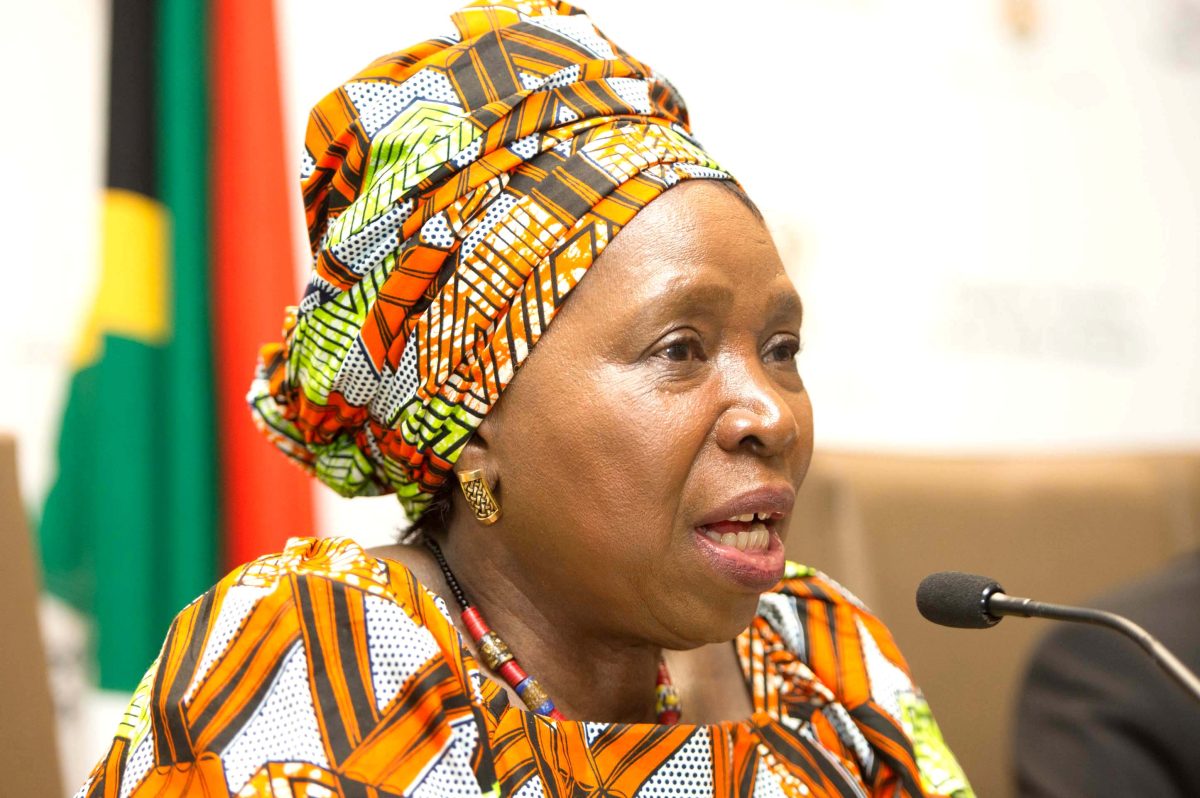
Minister urges care to prevent return to National State of Disaster

Cooperative Governance and Traditional Affairs (CoGTA) Minister, Dr Nkosazana Dlamini Zuma, has warned that government can declare a National State of Disaster again should COVID-19 infections spiral.

South Africa exited the National State of Disaster following an announcement by President Cyril Ramaphosa during an address to the nation on Monday night. Declared in terms of the Disaster Management Act (DMA) in March 2020, the country remained in the arrangement for 750 days.

Addressing the media on Tuesday, Dlamini Zuma said the COVID-19 pandemic no longer qualified as a disaster.

In the place of the National State of Disaster, the country will be in a 30-day transitional post-disaster management period that will be legislated accordingly, with Dlamini Zuma saying the DMA “cannot be used permanently as it’s of temporary use”. 

As of Monday evening, the pandemic is being managed in terms of the National Health Act while the draft Health Regulations have been published for public comment – and which close on 16 April. Once the comments have been considered, the new regulations will be finalised and promulgated.

The Minister said, however, that Cabinet could revert back to the National State of Disaster should the COVID-19 pandemic escalate and reach a level where it became a disaster.

“If we look after ourselves, wear masks and make sure that we do what needs to be done… we may avoid a situation where this pandemic becomes a disaster again. That is what we’re hoping for. In the event that it becomes a disaster, we will have to revert back to the Act.” 

She said since the pandemic was still existent, government needed to introduce transitional measures which were allowed by the DMA and were post-disaster measures.

The post-disaster management measures and rehabilitation measures require that the wearing of masks continue for at least another 30 days for indoor gatherings. Masks are not necessary for outdoor gatherings, she said. 

Existing restrictions on gatherings will continue as a transitional measure.

This means that both indoor and outdoor venues can take up to 50% of their capacity without any maximum limit, provided that proof of vaccination or a COVID-19 test not older than 72 hours is required for entrance to the venue. Where there is no provision for proof of vaccination or a COVID-19 test, then the current upper limit of 1000 people indoors and 2000 people outdoors will remain.

The existing provisions with respect to international travel remain in place.

Travellers entering South Africa will need to show proof of vaccination or a negative PCR test not older than 72 hours. If a traveller does not submit a vaccine certificate or proof of a negative COVID-19 test, they will be required to do an antigen test on arrival and if they test positive, they will need to isolate for 10 days.

Also, the directions that provide for the extension of the validity of a learner’s licence, driving licence card, licence disc, professional driving permit and registration of a motor vehicle will remain in place.

Meanwhile, the directions that provide for the payment of the special R350 SRD grant will remain in place. This will enable the Department of Social Development to finalise the regulations that will allow the payment of the grant to continue.

“We are just transitioning that through this arrangement. It will continue through other legislation,” said the Minister.

She said the No Fault Compensation Fund would also remain in place beyond the 30 days. 

“This is an arrangement for people who might have had adverse side effects from the vaccine. [These] people can still apply for compensation and that process will continue beyond the National State of Disaster.”

“As long as people are still being vaccinated, they should be able to have access to the Fund. But from the DMA these will only continue for the next 30 days, after that they will lapse. We will then have to go back to normal except legislation from different sectors would then take on where necessary,” she said. – SAnews.gov.za

Photo: Unsplash

Categories
Inside Church

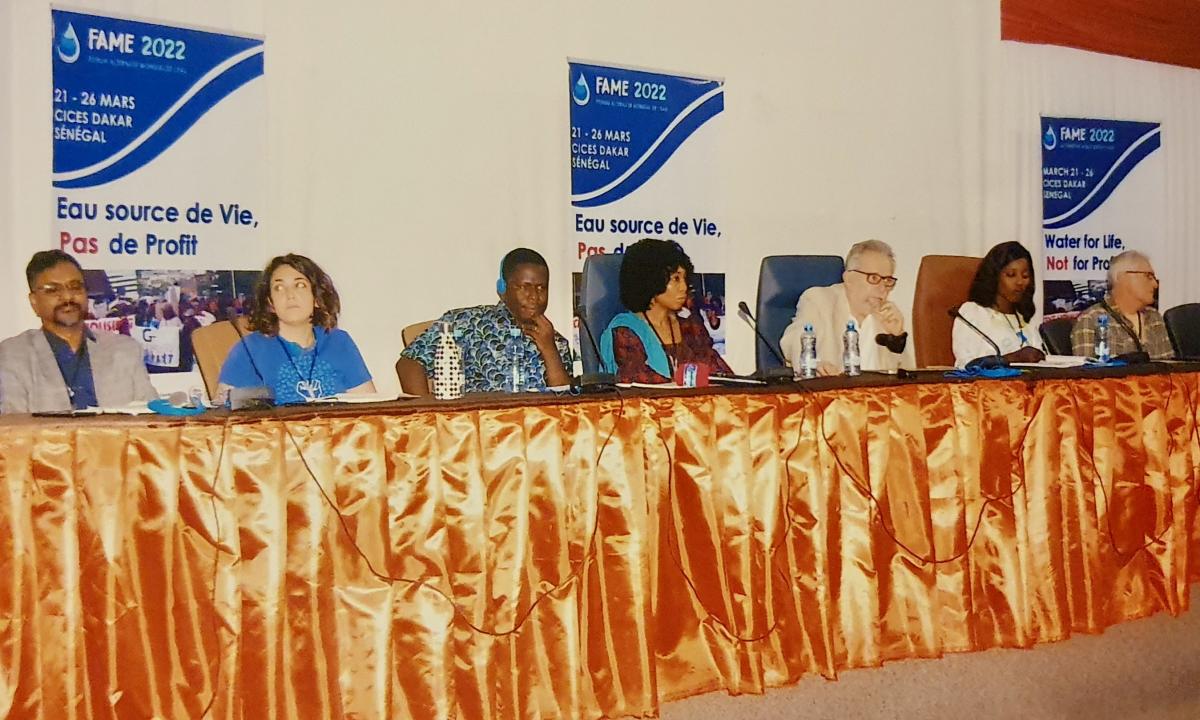
WCC Ecumenical Water Network offers critical insight, asking “Is the World Water Forum a solution to the global water crisis?”

To coincide with the 9th World Water Forum—and to call attention to that platform as too exclusive—the World Council of Churches Ecumenical Water Network (WCC-EWN) participated in an Alternative World Water Forum which stands in opposition to the capitalistic globalization of water and sanitation services.

Click here to read more.

Photo: Unsplash

Categories
Inside Church

WCC expresses concern for Christian presence and witness in Syria

“Participants in the meeting joined in affirming the ecumenical movement’s deep concern for the Christian physical presence and witness in Syria and the whole Middle East region, and the importance of international ecumenical solidarity with the churches and Christian communities living and witnessing in Syria, playing their essential role as part of the diversity of Syrian society, and affected by the impact of sanctions on their life and work,” reads a message from the group.

“WCC and the member church representatives participating in the meeting committed to closer collaboration in responding to the needs and aspirations of Syrian Christians for their future in a peaceful, diverse and inclusive Syria.”

Click here to read more.

Photo: Unsplash