Categories
Inside Church

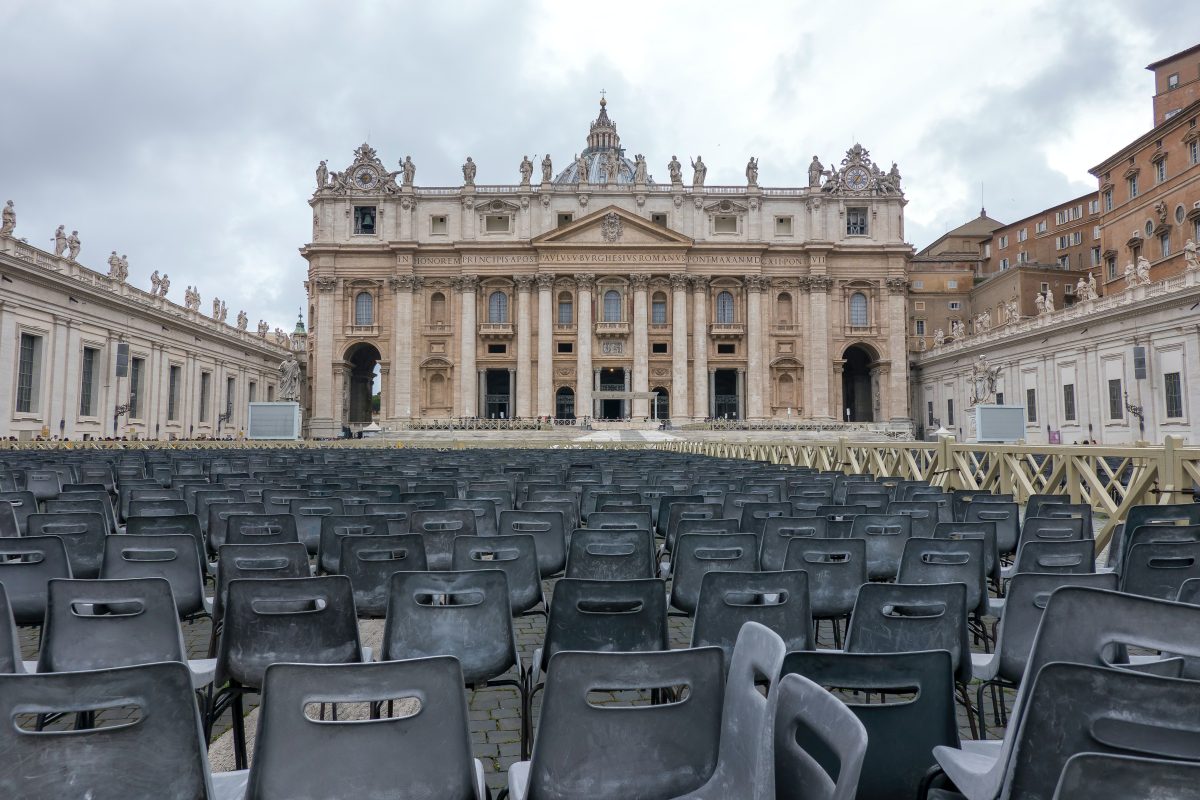
Church authorities and the Government meet to start preparing for Pope Francis’ visit

The meeting brought together DRC’s Prime Minister Jean-Michel Sama Lukonde, Archbishop Ettore Balestrero, the Apostolic Nuncio to DRC, representatives of CENCO and senior government officials. The focus of the meeting held Thursday was to begin preparations for the papal visit.

Click here to read more.

Photo: Unsplash

Categories
Inside Church

WCC plans implementation of Gender Justice Principles with practice-oriented approach

After the World Council of Churches (WCC) central committee, during its February meeting, approved a set of Gender Justice Principles, the WCC’s work of implementation is just beginning. The principles clearly define the WCC’s own approach to gender justice and apply to WCC staff, governing bodies, commissions, and reference groups. The WCC executive committee will review and evaluate implementation of the principles.

Click here to read more.

Photo: Unsplash

Categories
In The News

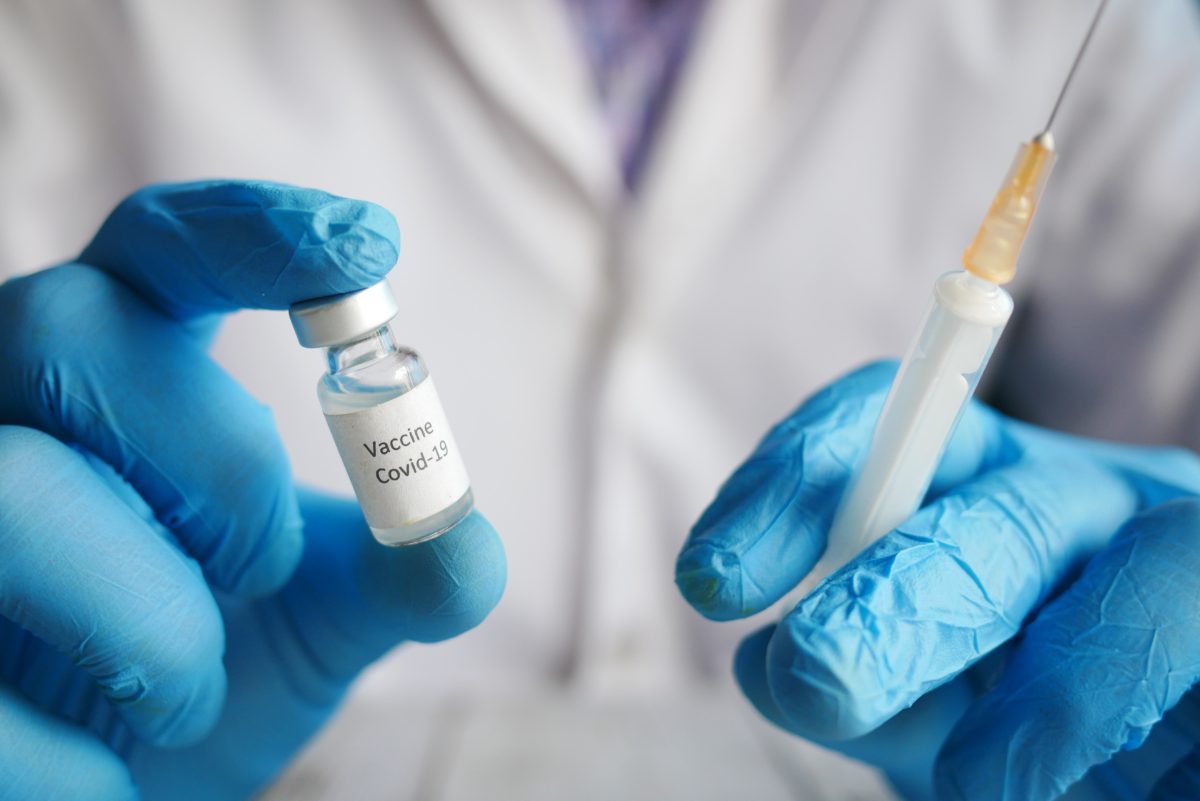
SAMA calls for intensive vaccination campaign

The South African Medical Association (SAMA) says there is a need for intensive campaigning for more people to vaccinate against COVID-19, despite the lifting of the National State of Disaster (NSD).

SAMA welcomed the lifting of the National State of Disaster by President Cyril Ramaphosa, describing it as a positive step for South Africa and the correct move forward for the country’s beleaguered economy.

“Considering the decreasing number of COVID-19 cases in the country, ending the National State of Disaster is the appropriate step in government’s response to the pandemic.

“SAMA supports the decision in the same way that it supported the decision to institute the NSD as a means to deal with the impact of COVID-19 at the beginning of the pandemic,” SAMA CEO, Dr Vusumuzi Nhlapho, said in a statement.

Nhlapho said over the past two years, hospitals have been confronted with serious resource challenges, including human resources. However, healthcare workers have contributed immensely, “often at huge personal expense to care for patients”.

Click here to read more.

Photo: Unsplash

Categories
In The News

Churches will share perspectives on human dignity amidst escalating conflicts

Organized by the World Council of Churches (WCC), United Evangelical Mission (UEM) and Evangelical Church in Germany (EKD), the conference is part of a study process initiated in 2020, aiming to provide a space for ecumenical reflection on the relationship between human dignity and human rights from biblical, theological and victims’ perspectives.

During the conference in Wuppertal, the preliminary results of the study process will be presented and discussed.

Click here to read more.

Photo: Unsplash

Categories
In The News

Churches in the UK and Ireland continue to pray for Ukraine

As war between Russia and Ukraine entered its 39th day with no signs of de-escalation, on Sunday, Churches and Christians in Britain and Ireland gathered again in ecumenical prayer for peace and for all those affected by the conflict.

Click here to read more.

Photo: Unsplash

Categories
In The News

SA exits National State of Disaster

Cabinet has decided to end the National State of Disaster with effect from midnight on Monday, with the exception of a few transitional regulations remaining in place.

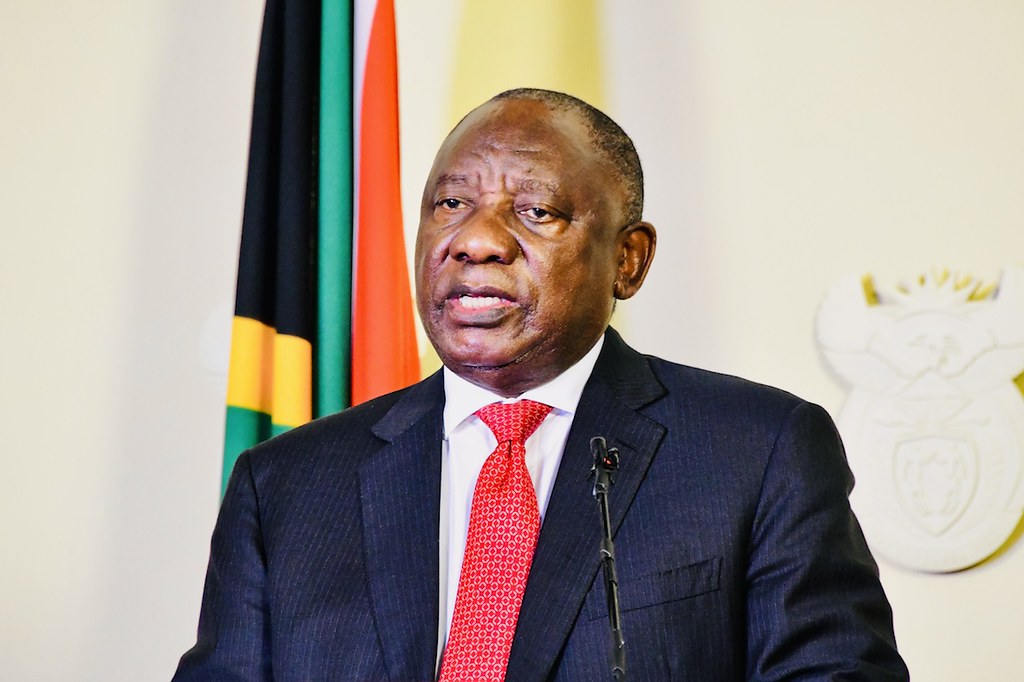
“Since the requirements for a National State of Disaster to be declared in terms of the Disaster Management Act are no longer met, Cabinet has decided to terminate the National State of Disaster with effect from midnight tonight,” President Cyril Ramaphosa announced in an address to the nation this evening.

The end of the National State of Disaster comes 750 days since the country went into its initial lockdown on 15 March 2020 to curb the spread of COVID-19.

This means that that all regulations and directions made in terms of the Disaster Management Act following the declaration of the National State of Disaster in response to COVID-19 are repealed with effect from midnight. However, this is with the exception of a few transitional measures.

The state of disaster was a response to a global health crisis that posed a grave threat to the lives and the well-being of  South Africans. It empowered government to take measures that prevented many more people from becoming severely ill and saved countless lives.
  
The National State of Disaster provided the legal basis for the introduction of the special R350 Social Relief of Distress (SRD) Grant, which continues to bring much needed relief to those most affected by the COVID-19 pandemic. It also enabled the establishment of the COVID TERS scheme, which provided wage support to millions of workers.

The proclamation of the state of disaster further enabled the provision of relief to small businesses, the extension of the validity of vehicle and drivers’ licences, and the management of the pandemic at educational institutions, among other things.

Transitional provisions

Going forward, the pandemic will be managed in terms of the National Health Act while the draft Health Regulations have been published for public comment which closes on 16 April. Once the comments have been considered, the new regulations will be finalised and promulgated.

The Disaster Management Act provides that certain elements of the regulations may remain in place for a limited period for ‘post-disaster recovery and rehabilitation’.

These provisions will remain in place for 30 days after the termination of the National State of Disaster. This is to ensure essential public health precautions and other necessary services are not interrupted while the new regulations in terms of the National Health Act come into effect.

The President said the following shall apply:

  • Individuals will still be required to wear a facemask in an indoor public space, however, a mask is not required when outdoors.
  • Existing restrictions on gatherings will continue as a transitional measure. This means that both indoor and outdoor venues can take up to 50% of their capacity without any maximum limit, provided that proof of vaccination or a COVID-19 test not older than 72 hours is required for entrance to the venue. Where there is no provision for proof of vaccination or a COVID-19 test, then the current upper limit of 1000 people indoors and 2000 people outdoors will remain.
  • The existing provisions with respect to international travel remain in place. Travellers entering South Africa will need to show proof of vaccination or a negative PCR test not older than 72 hours. If a traveller does not submit a vaccine certificate or proof of a negative COVID-19 test, they will be required to do an antigen test on arrival and if they test positive, they will need to isolate for 10 days.
  • Meanwhile, the directions that provide for the payment of the special R350 SRD grant will remain in place. This will enable the Department of Social Development to finalise the regulations that will allow the payment of the grant to continue.
  • Directions that provide for the extension of the validity of a learner’s licence, driving licence card, licence disc, professional driving permit and registration of a motor vehicle will remain in place.
  • In addition to the Coronavirus Alert Levels no longer applicable as of midnight, the regulations on the isolation of persons, on schools and access to old age homes, on public transport, on initiation practices, on cargo transportation, and on criminalisation of non-adherence to these rules falls away.

“The few transitional measures that remain are limited in scope, and allow almost all social and economic activity to resume as normal. They are essential to reduce the risk of a further COVID-19 wave and further disaster,” said the President.
 
He emphasised that the transitional measures – which will lapse after 30 days – will allow the management of the pandemic to be dealt with by the health regulations or other provisions.

COVID-19 Vaccine Injury No-Fault Compensation Scheme

The President announced that the COVID-19 Vaccine Injury No-Fault Compensation Scheme will remain in place.

The scheme, which is administered by the Department of Health, was brought into force in April last year to provide quick and easy access to compensation to any person who suffers a serious injury because of receiving a COVID-19 vaccine. 
 
The scheme will continue after the National State of Disaster ends and will be terminated once it has achieved its purpose, said President Ramaphosa.

He said the end of the National State of Disaster is an important milestone in the fight against the pandemic.

“It is a sign of the progress we have made together and a reminder of what our nation has endured. It is a moment to remember those who have lost their lives and the many people who are still struggling with the effects of the disease.

“The end of the National State of Disaster is a firm statement of our determination to live our lives and rebuild our country even as this virus remains in our midst.”

He maintained that vaccination is the best defence against COVID-19. – SAnews.gov.za

Photo: Unsplash

Categories
In The News

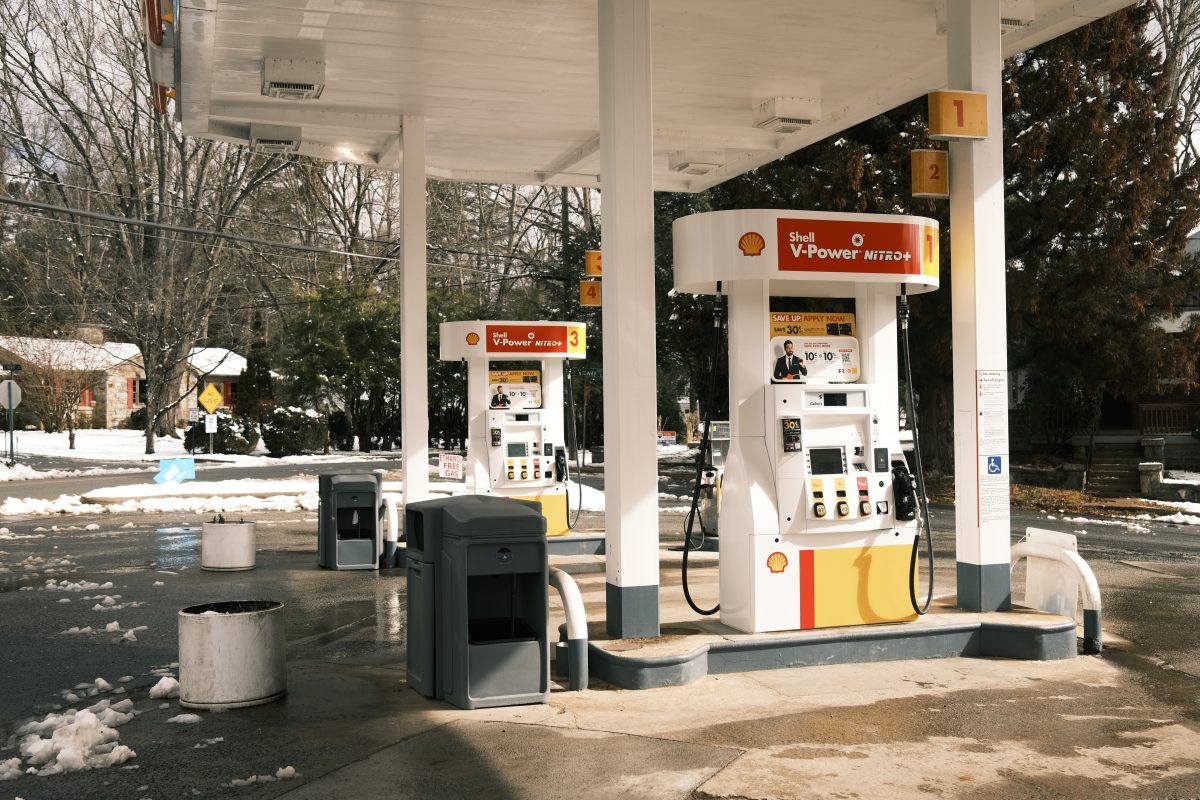
Motorists to dig deeper

South African purse strings will be pulled tighter from Wednesday as prices on all grades and categories of petrol, illuminated paraffin and retail gas are expected to increase.

The increase was announced by Mineral Resources and Energy, Minister Gwede Mantashe, on Monday evening.

The expected price increases are:

  • Petrol (both 93 ULP and LRP) is expected to rise by some 28c per litre.
  • Petrol (both 95 ULP and LRP) will cost at least 36c more by the litre.
  • 0.05% sulphur diesel will rise by R1.52.
  • Diesel 0.005% sulphur will cost more after an increase of about R1.68.
  • Those purchasing illuminating paraffin at wholesale price are expected to pay R2.66 more per litre.
  • The retail price for illuminating paraffin is expected to increase by at least R3.55 per litre.
  • Maximum retail price for gas is also on the up – costing at least R2.50 more per litre.

Minister Mantashe highlighted that several international factors continue to put pressure on the price of Brent Crude oil which has steadily increased to more than USD $100 over the past few weeks.

“The average Brent Crude oil price increased [and] the main contributing factors are [the] continued sanctions imposed on Russia. This is disrupting energy flows as Russia is one of the biggest global exporters of oil.

“OPEC and Non-OPEC members limiting fuel supply even though demand has been increasing globally due to relaxed COVID-19 restrictions [and] the Yemen rebels attacked storage facilities in Saudi Arabia, resulting in supply disruptions,” he said.

Other factors leading to the increase include the strengthening of the Rand against the Dollar on average, movements in the price of refined petroleum products and a global shortage of diesel. – SAnews.gov.za

Photo: Unsplash
Categories
In The News

WCC expresses abhorrence at reported atrocities in Ukraine

World Council of Churches acting general secretary Rev. Prof. Dr Ioan Sauca, upon hearing reports that give stronger indications of grave violations of international law in Ukraine, expressed abhorrence at these reported atrocities, and called for full investigation.

“War is a context inherently conducive to such brutality, which underlines the need for systems of legal accountability to prosecute perpetrators, in order to curb the worst in humanity,” said Sauca.

“Moreover, it underscores the urgent necessity of bringing this terrible conflict to an immediate end, for the sake of preventing yet more death, injury and destruction of communities.”

Click here to read more.

Photo: Unsplash

Categories
In The News

Pope Francis: ‘We never learn, we are enamoured of war and the spirit of Cain!

My health is a bit fickle, I have this problem with my knee that causes problems with getting about, with walking. It’s a bit annoying, but improving, and at least I can get out. Two weeks ago, I couldn’t do anything. It’s a slow thing; we’ll see if it comes back. However, a doubt arises at this age about not knowing how the game will end. Let’s hope it goes well.

And then about Malta: I was happy with the visit: I saw the realities of Malta; I saw an impressive enthusiasm of the people, both on Gozo and on Malta, in Valletta, and in the other places. There was a great enthusiasm in the streets; I was amazed. It was a bit short.

Click here to read more.

Photo: Unsplash

Categories
In The News

Strong state institutions forge trust, says Pres Ramaphosa

President Cyril Ramaphosa says the turnaround of the South African Revenue Service (SARS) – from an inefficient revenue collector to hitting its highest margins in years – is proof that efficient and well-run state institutions can bolster trust between government and citizens.

The President was addressing the nation through his weekly newsletter.

Last week, SARS Commissioner Edward Kieswetter announced that the revenue collector had recorded a 25% increase in collections – reaching at least R1.5 trillion in revenue collection between April 2021 and March this year.

“As we forge ahead with efforts to strengthen the capacity of the state and rebuild institutions that were systematically weakened by state capture, we have much to learn from what SARS has achieved in a relatively short space of time.

“When state institutions are well-run and efficient, when they demonstrate credibility and fairness in their operations, this contributes to increasing levels of trust in government. Business and investor confidence also improves, encouraging greater investment and economic growth,” President Ramaphosa said on Monday.

The President reflected on a challenging period that the revenue collector has faced, including allegations of state capture, “political meddling and mismanagement” which had rendered SARS inefficient and ineffective.

“This had the direct consequence of not only undermining taxpayer morality, but also loss of business confidence in the organisation.

“In 2018, I appointed a commission of inquiry into tax administration and governance at SARS chaired by retired Justice Robert Nugent. The commission delivered its final report by the end of the same year. Four years later, SARS has implemented nearly all of the 16 recommendations and 27 sub-recommendations to restore stability to the organisation,” he said.

Since the implementation of those recommendations, the revenue service has claimed several victories.

Photo: Unsplash