Categories
In The News Inside Church Media Room

JUST IN: SACC, WCC set to livestream Interfaith Memorial Service

According to a statement of the World Council of Churches (WCC), the Interfaith Memorial Service 30 December 10am CET to honor the life and the work of Archbishop Desmond Tutu will be streamed via the South African Council of Churches (SACC) Facebook page, https://facebook.com/OfficialSACC/.

Click here to read more.

Photo: WCC

Categories
In The News Inside Church

Loss of Tutu a “global bereavement”

President Cyril Ramaphosa has described the day of Archbishop Emeritus Desmond Tutu’s passing as one of the saddest of days in the nation’s history.

The 90-year-old social justice champion passed away in Cape Town on Sunday, 26 December 2021.

Affectionately known as “The Arch” to millions across the world, Tutu’s life was punctuated by his intense passion for human rights – displayed by his outspoken nature against the Apartheid government and by his tireless campaigning for the downtrodden people of the world.

In his address to the nation following Tutu’s death, President Ramaphosa said the clergyman was one of South Africa’s finest patriots.

Click here to read more.

Categories
Inside Church Media Room

SACC mourns the loss of Desmond Tutu

The South African Council of Churches (SACC) has received the news of the passing away of Archbishop Emeritus, Desmond Tutu.

We condole with the Tutu family, understanding the depth of their pain at the loss of a man who was a father to so many.

We are mobilised to support the Tutu family, the Desmond and Leah Tutu Legacy Foundation, and indeed the Anglican Church at this time, and commit to honouring the works and memory of our beloved ‘Arch’, even as we call on all to celebrate the life and ministry of such a powerful witness for the justice that God demands of all of us.

May his soul rest in eternal peace.

Categories
Inside Church

World Council of Churches mourns the loss of Archbishop Tutu

Archbishop Desmond Tutu, who has died today at the age of 90, was a key leader in the moral struggle against the apartheid system in South Africa, but the impact of his life’s ministry and witness extended far beyond the borders of his own country and beyond that historical moment. Also in the post-apartheid era, his principled commitment and engagement for justice for all remained unwavering. Tutu believed passionately that the Christian faith is inclusive of all, and that Christian responsibility is for the good of all people. His leadership strengthened us all in that belief and continues to call us to action upon that belief.

World Council of Churches (WCC) acting general secretary Rev. Prof. Dr Ioan Sauca said Archbishop Tutu was a stalwart contributor to the ecumenical movement during joyful times and times of great challenge, and taught us all the value of persistence. “We thank God for giving us Archbishop Tutu for 90 years,” said Sauca. “Through his life and works he has become an image of dignity and freedom for all human beings and inspired many to use their gifts and talents in the service of others and the mission and prophetic task of the church.”

Click here to read more.

Categories
Inside Church

JUST IN: Archbishop Desmond Tutu passes away

President Cyril Ramaphosa expresses, on behalf of all South Africans, his profound sadness at the passing today, Sunday 26 December 2021, of Archbishop Emeritus Desmond Mpilo Tutu.

Archbishop Tutu, the last surviving South African laureate of the Nobel Peace Prize, passed away in Cape Town at the age of 90.

President Ramaphosa expresses his heartfelt condolences to Mam Leah Tutu, the Tutu family, the board and staff of the Desmond and Leah Tutu Legacy Foundation, the Elders and Nobel Laureate Group, and the friends, comrades and associates nationally and globally of the iconic spiritual leader, anti-apartheid activist and global human rights campaigner.

President Ramaphosa said: “The passing of Archbishop Emeritus Desmond Tutu is another chapter of bereavement in our nation’s farewell to a generation of outstanding South Africans who have bequeathed us a liberated South Africa.

“Desmond Tutu was a patriot without equal; a leader of principle and pragmatism who gave meaning to the biblical insight that faith without works is dead.
“A man of extraordinary intellect, integrity and invincibility against the forces of apartheid, he was also tender and vulnerable in his compassion for those who had suffered oppression, injustice and violence under apartheid, and oppressed and downtrodden people around the world.

“As Chairperson of the Truth and Reconciliation Commission he articulated the universal outrage at the ravages of apartheid and touchingly and profoundly demonstrated the depth of meaning of ubuntu, reconciliation and forgiveness.

“He placed his extensive academic achievements at the service of our struggle and at the service of the cause for social and economic justice the world over.

“From the pavements of resistance in South Africa to the pulpits of the world’s great cathedrals and places of worship, and the prestigious setting of the Nobel Peace Prize ceremony, the Arch distinguished himself as a non-sectarian, inclusive champion of universal human rights.

“In his richly inspiring yet challenging life, Desmond Tutu overcame tuberculosis, the brutality of the apartheid security forces and the intransigence of successive apartheid regimes. Neither Casspirs, teargas nor security agents could intimidate him or deter him from his steadfast belief in our liberation.

“He remained true to his convictions during our democratic dispensation and maintained his vigour and vigilance as he held leadership and the burgeoning institutions of our democracy to account in his inimitable, inescapable and always fortifying way.

“We share this moment of deep loss with Mam Leah Tutu, the Archbishop’s soulmate and source of strength and insight, who has made a monumental contribution in her own right to our freedom and to the development of our democracy.

“We pray that Archbishop Tutu’s soul will rest in peace but that his spirit will stand sentry over the future of our nation.”

Categories
Inside Church

WCC: Bible studies newly available

A series of Bible studies leading up to the WCC 11th Assembly, to be held in Karlsruhe, Germany in 2022, is newly available from the World Council of Churches (WCC).

Click here to read more.

Categories
Inside Church

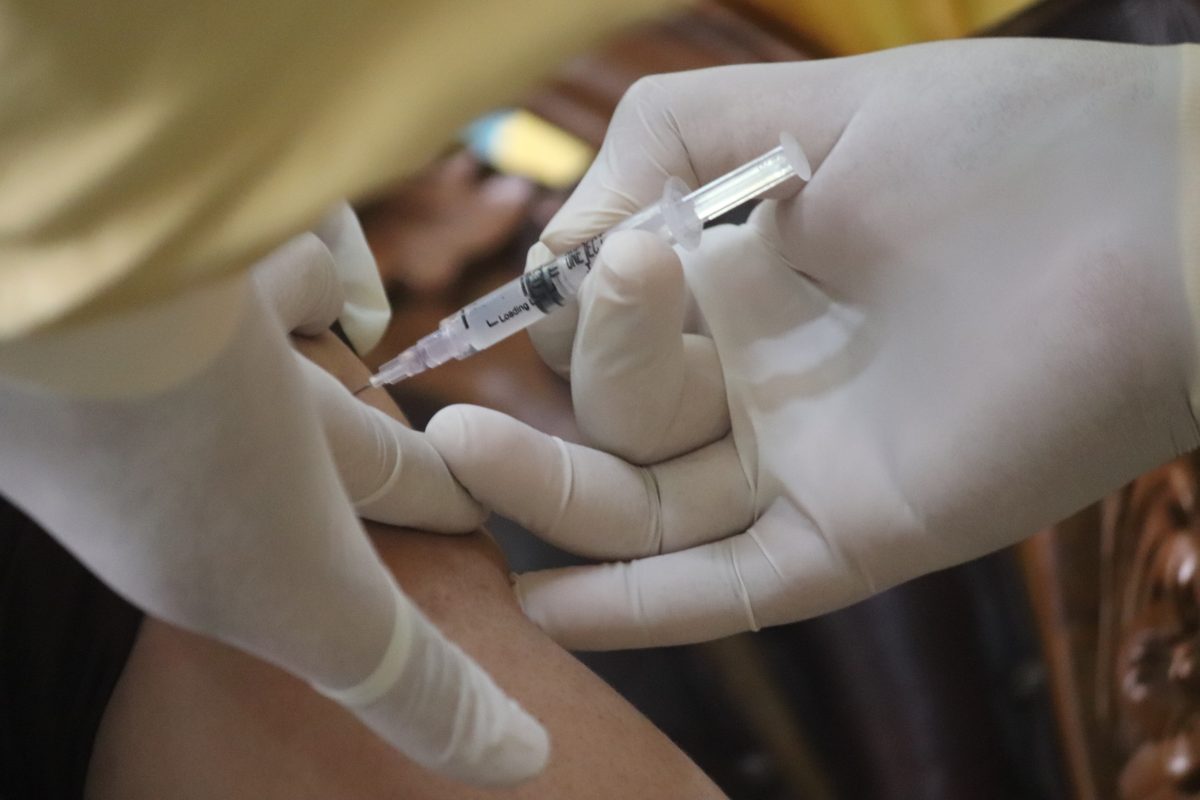
WCC joins global faith-based organizations calling to increase global access to vaccines

The letter emphasized that countries instituting discriminatory travel bans that harm the people and economies of low and middle-income countries will not end the COVID-19 pandemic. The faith-based groups urged increased global access to vaccines.

“Waiving intellectual property rights for COVID-19 vaccines should be treated as an urgent matter,” reads the letter. “Our lives are intertwined. Making COVID-19 vaccines accessible to all should be regarded as part of a race to save all of humanity.”

Click here to read more.

Categories
Inside Church

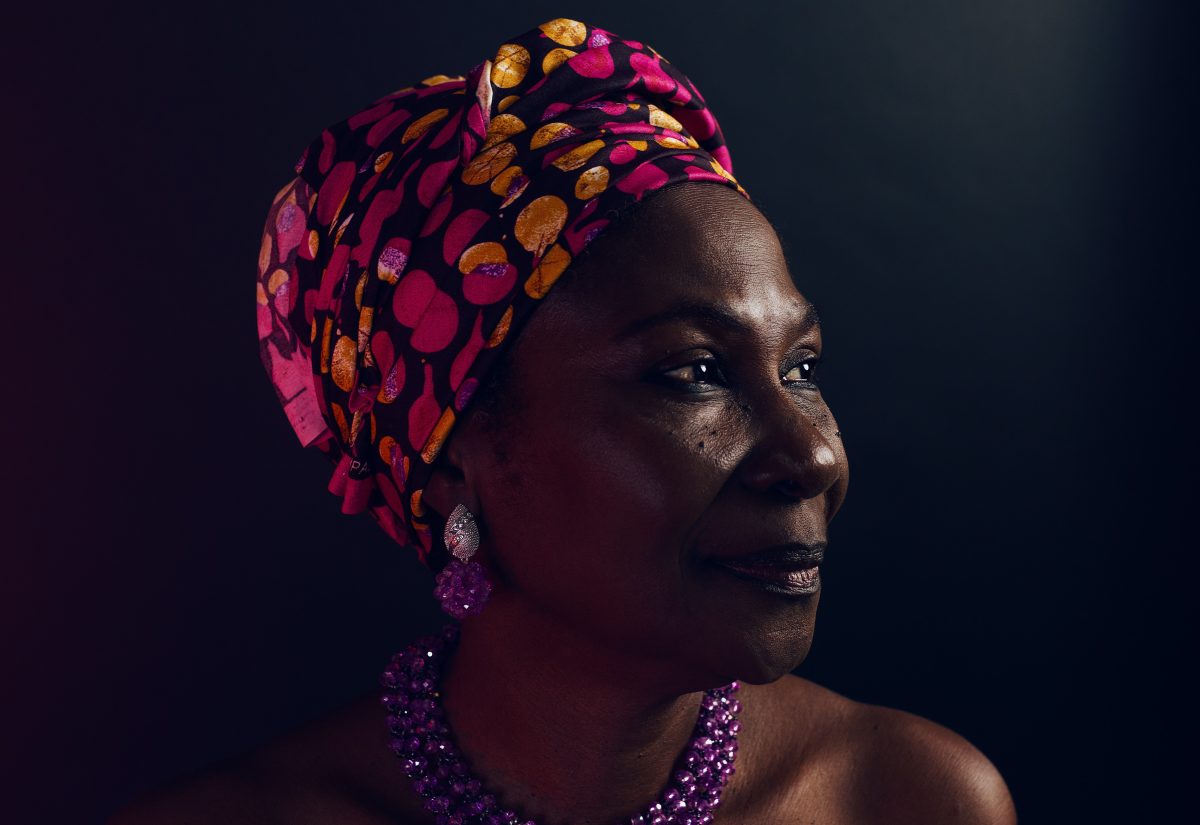
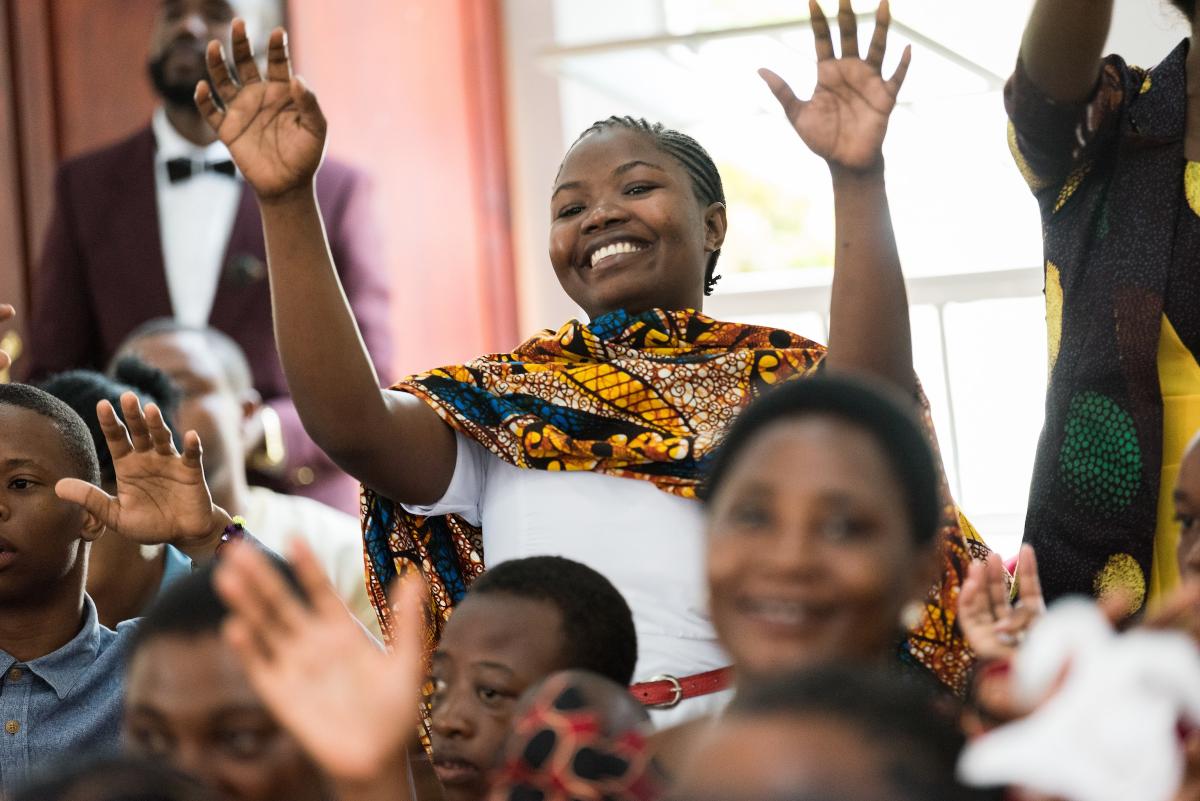
With boldness of faith, joy and peace, Pan African women hold “Ubuntu” gathering

Women of faith who are African or of African descent held a powerful recent gathering, “Ubuntu: Remembrance, Diversity, and Advocacy in Unity Now!” in which they shared their call to action with a sense of Sankofa, or a season of now while looking back and forward. The event was organized by the Pan African Women’s Ecumenical Empowerment Network (PAWEEN) and Pan African Women of Faith (PAW).

Click here to read more.

Categories
Inside Church Media Room

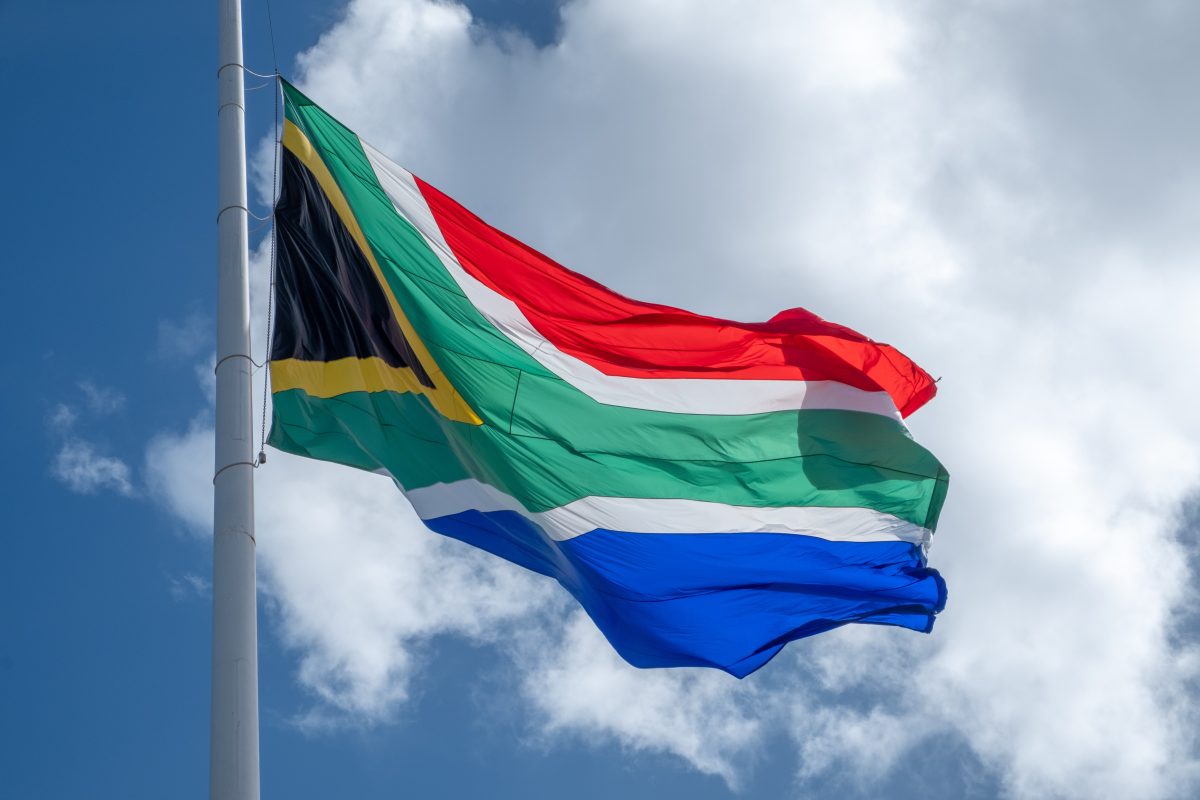
SACC is reminded of the words that form the Preamble to the South African Constitution

The South African Council of Churches (SACC) is reminded today, as it often is, of the words that form the Preamble to the South African Constitution:

PREAMBLE

We, the people of South Africa,

Recognise the injustices of our past;

Honour those who suffered for justice and freedom in our land;

Respect those who have worked to build and develop our country; and

Believe that South Africa belongs to all who live in it, united in our diversity.

We therefore, through our freely elected representatives, adopt this Constitution as the supreme law of the Republic so as to –

Heal the divisions of the past and establish a society based on democratic values, social justice and fundamental human rights;

Lay the foundations for a democratic and open society in which government is based on the will of the people and every citizen is equally protected by law;

Improve the quality of life of all citizens and free the potential of each person; and

Build a united and democratic South Africa able to take its rightful place as a sovereign state in the family of nations.

May God protect our people.

In celebrating a quarter of a century since the signing of the Constitution, we recognise that throughout this decade-and-a-half, we as a nation have not lived up to the prescript of the Preamble of the Constitution.  We have not altogether reversed the injustices of the past; we have not fully honoured those who suffered for justice and freedom. We have normalised through glamourising ill-gotten wealth and corruption, undermining and demonising those who seek to build good public values. We have retreated to divisive racial and tribal cocoons that militate against a healthy living in the unity of our diversity as one South African nation; and have neglected the call to build a united South Africa for our democracy. 

The social and economic inequalities of our society raise the middle finger against the constitutional prescript of improving “the quality of life of all citizens” and to “free the potential of each person”. The excluded majority of Coloureds, Africans, rural and small dorpie communities, women and young people, live with limited access to health, quality education, housing and the basics of water and electricity. They are subject to the worst ravages of crime and insecurities of life; and have limited access to stable livelihoods, with high unemployment and mass exclusion from the productive economy.  

Chapter Two of the Constitution we celebrate today – the Bill of Rights – enshrines the rights of all people in our country and affirms the democratic values of human dignity, equality and freedom. It creates the opportunity for every child born into this society to grow to their God-given potential. This is the South Africa we pray for!

Chapter Nine of the Constitution provides for public entities that ensure the implementation of the various principles of constitutional democracy – the Electoral Commission, the Public Protector, the Commission for Gender Equality, the Auditor General, the Human Rights Commission, the Commission for the Promotion and Protection of the Rights of Cultural Religious and Linguistic Communities and the Public Service Commission, and the Independent Authority to Regulate Broadcasting. As independent of the State, these institutions have the responsibility to ensure that government is aligned with the mandate of the Constitution, and that the public knows and understands their human rights and citizen responsibilities. The lack of effective civic education for most South Africans results in the limited appreciation of the work and worth of these institutions for the sustenance of the constitutionalism embedded in our Constitutional State.

Marking the milestone of 25 years of our celebrated constitution challenges us all to play our role in nation-building. It challenges all our organisations and institutions to examine their role in the failure of our society to live up to the demands of the first part of our constitution, the Preamble that sets the tone for the rest of this national contract document. If we fail in this basic requirement of the Preamble of the Constitution, what hope is there that we could uphold the rest of the principles outlined in all 14 Chapters of the Constitution?

On this day, 25 years since the ink dried on the South African Constitution, we invoke the words of the Book of Revelation where the Lord says, “I make all things new”, and encourage every South African under God’s grace, to commit to a new spirit, to build a united and mutual society of loving thy neighbour as oneself. Such a spirit of mutuality makes the values of our constitution more natural for us all. On this day of observing the solemn signing of this Constitution into law, let us revisit the Preamble of the Constitution, and have an honest conversation with ourselves about the values we each propagate, and the role we should play in bringing to life, the promise of the Constitution. For it is through us – the people of South Africa – that God will continue to bless South Africa.

Categories
Inside Church

“The whole people of God: the roles and ministries in the church” webinar sparks lively discussion

A webinar on 2 December explored the theme “The whole people of God: the roles and ministries in the church” as part of a continuing series offered by the World Council of Churches (WCC) Faith and Order Commission.

Among the featured speakers was Bishop Brian Farrell, secretary of the Pontifical Council for Promoting Christian Unity of the Roman Catholic Church, who responded to papers presented by Rev. Dr Susan Durber, WCC Faith and Order moderator, and by Dr Paul Meyendorff, WCC Faith and Order commissioner.

Watch the webinar below:

Photo: WCC